Are Employees Frustrated with Benefits? Modernize Your Plan Now
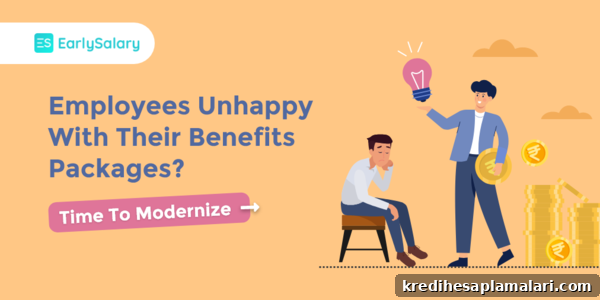
Highlight: The global shift in working patterns has prompted organizations to reevaluate employee benefits. As businesses plan for the coming years, benefits must be updated to reflect changing lifestyles and workplace expectations.
Employee benefits packages are the additional perks organizations offer alongside salaries to boost retention, engagement, productivity, and job satisfaction. A well-designed benefits program supports organizational success because satisfied employees are the backbone of any thriving company. Research has shown that companies that prioritize employee needs and benefits often experience lower attrition.
The last few years have been especially challenging for employees. Beyond work responsibilities, many have faced financial strain, health concerns, and caregiving duties. The pandemic underscored gaps in healthcare access, exposed shortcomings in mental health support, and revealed that inflexible, high-pressure work cultures can lead to burnout.
Remote work and blurred boundaries driven by the pandemic increased meeting loads and after-hours communication for many workers, contributing to higher levels of fatigue. In this context, benefits focused on care, flexibility, and mental health can have a meaningful, positive impact on employees’ lives. Below are five practical ways organizations can modernize their benefits offerings:
Flexible Benefits Programs
Flexibility in work schedules and benefits will remain a central component of post-pandemic employee offerings. Even as public health conditions improve, intermittent local disruptions or school closures may continue to affect employees’ lives. Employers who give staff control over when and where they work are more attractive to both current and prospective talent.
Flexible benefits also mean offering choices that address diverse needs and adjusting those offerings as circumstances change. For example, replacing an on-site gym with an annual wellness stipend employees can use for home equipment, offering virtual and in-person fitness classes, or providing access to a company fitness app are meaningful adaptations for a hybrid workforce.
Flexibility may include allowing employees to set preferred working hours, adopting hybrid or remote-first policies, and offering stipends for home-office furniture and supplies. These options help people create sustainable work setups that improve performance and well-being.
Mental Well-being of Employees
Mental and behavioral health must be central when designing benefits for a post-pandemic workforce. The collective stress and isolation many experienced have reduced stigma around seeking mental health support, and demand for these services has grown.
Worldwide, depression and anxiety significantly impact productivity. Investing in mental health yields returns in improved health and performance. Practical measures companies can implement include:
- Including mental health coverage within health plans,
- Establishing health-focused savings accounts to offset related expenses, and
- Maintaining a network of counselors and psychiatrists for timely support.
Employers are also adopting Employee Assistance Programs (EAPs) to provide confidential counseling and resources. Regular, open communication about mental health and available supports helps create a psychologically safe workplace where employees feel comfortable seeking help.
Virtual Health Care
Use of virtual healthcare rose sharply during the pandemic, and telemedicine remains a key part of accessible care. Virtual visits reduce barriers to medical advice, enabling employees and their families to address health concerns quickly with less time away from work.
Investing in telehealth benefits can reduce absenteeism and foster a healthier, more productive workplace. Employers should ensure virtual care options are easy to access and well-integrated into overall health benefit plans so employees can rely on them when needed.
Paid Time Off
Paid Time Off (PTO) policies provide employees with days they can use for rest, recovery, and personal needs. Given the sustained pressures many employees have faced, companies should revisit PTO policies to encourage healthy use of time away from work.
Remote work and constant connectivity have led many employees to forgo taking earned PTO, which can result in exhaustion and reduced productivity. Employers can counter this by encouraging time-off use through clear communication, managerial support, and creative approaches to scheduling that make taking leave easier and culturally supported.
Promoting PTO use demonstrates that leadership values employee well-being and helps rebuild energy and focus across teams.
As organizations continue to grow their global reach and leverage new technologies, they must remember that employees are the core of their success. Employee benefits may appear as budget line items, but they directly influence productivity, morale, and retention. Thoughtful, modern benefits that prioritize flexibility, mental health, virtual care, and time off will help companies attract and retain a resilient workforce.
Fibe (Formerly EarlySalary) offers products aimed at improving employees’ financial health alongside other well-being solutions. Their services include credit options, salary cards, and integrated tools designed to address financial needs. Explore relevant product offerings through official channels to learn more about how they support employee wellness and financial stability.