Open Banking Explained: How It Improves Your Financial Control
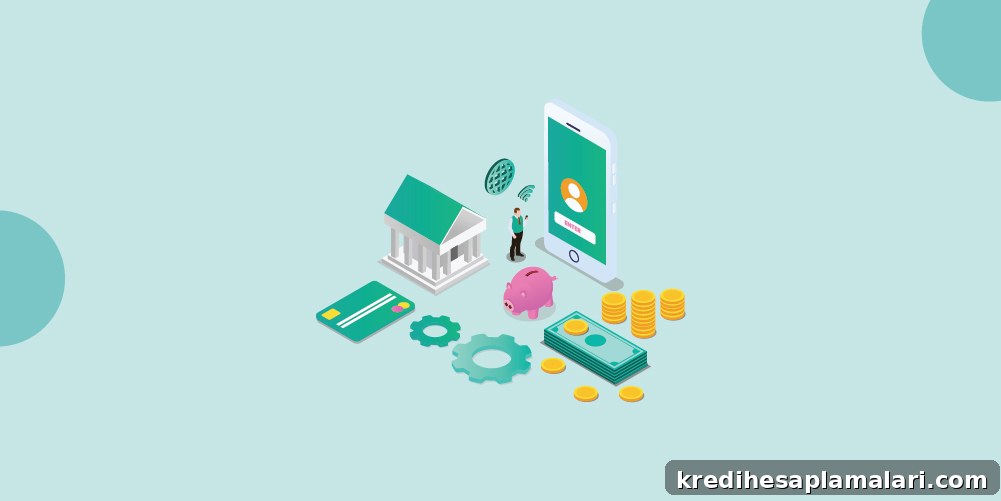
Ever wished managing your finances was as simple as ordering food online? Open Banking does just that by enabling banks to share your financial data with trusted apps and services—only with your consent. This makes budgeting, loan applications and payments faster and more convenient.
Below is a clear, practical guide to how Open Banking works and how it can benefit you.
What is Open Banking?
Open Banking is a secure framework that lets banks share customer-authorised financial data with approved third-party apps and providers. With your permission, these services can aggregate account information, present a consolidated view of your finances, recommend personalised products and streamline payments.
Think of it as allowing a budgeting app to read your transactions to help you save, or letting a lender access your verified account history to speed up loan approval. The main focus is on user control, privacy and convenience.
How Does Open Banking Work?
At the technical level, Open Banking relies on APIs (Application Programming Interfaces). APIs securely transmit information between banks and third-party apps when you grant access. They ensure the data exchange is controlled, auditable and limited to what you have authorised.
Key types of APIs in Open Banking:
- Data APIs: Provide read-only access to account details, balances and transaction history. They cannot initiate payments.
- Transaction APIs: Enable payment initiation, scheduled transfers and other transaction-related actions directly from your bank account.
- Product APIs: Share information about financial products—such as loans, savings plans or insurance—so you can compare options and choose the best fit.
Examples of Open Banking
Open Banking powers a range of useful services that make financial management more efficient and transparent. Common examples include:
- Faster Payments: Merchants can accept bank-to-bank payments, lowering fees and cutting processing times.
- All-in-One Account View: Aggregate multiple accounts from different banks in one dashboard for simpler tracking.
- Smart Budgeting: Apps automatically categorise spending and suggest savings strategies.
- Instant Loans: Lenders use verified account data to speed up underwriting and loan disbursal.
- Easy Bill Matching: Businesses reconcile invoices and payments automatically, saving time and reducing errors.
- Multi-Bank Access: Companies manage cash across several banks through a single interface.
- Fraud Protection: Real-time monitoring helps detect and prevent suspicious activity more quickly.
These use cases illustrate how Open Banking improves speed, convenience and security across personal and business finance.
Advantages of Open Banking
Open Banking brings benefits for individuals, businesses and financial institutions:
- Smarter Decisions: Access to detailed, consented financial data enables better credit decisions and personalised recommendations.
- Faster Operations: Instant data sharing accelerates payment processing, reconciliations and approvals.
- Personalised Services: Providers can tailor offers—such as loans or rewards—based on your actual financial behaviour.
- Seamless Payments: API-driven payments reduce intermediaries, lowering costs and friction.
- Easier Compliance: Standardised interfaces and audit trails simplify regulatory reporting and oversight.
- Boosts Innovation: Open interfaces encourage collaboration between banks, fintechs and developers to create new services.
Who Can Use Open Banking?
Open Banking benefits a wide range of users across the financial ecosystem:
- Individuals: Monitor spending, automate bills and receive tailored financial advice.
- Banks & Fintechs: Enhance services, build new products and reach customers more effectively.
- Small Businesses: Improve cash flow management and automate reconciliation of invoices and payments.
- E-commerce Firms: Accept direct bank payments and reduce transaction costs.
- Developers: Build apps that use standard APIs to access financial data securely.
- Lenders: Use near real-time account information to assess creditworthiness and speed loan decisions.
Open Banking is designed to put consumers in control while enabling businesses to deliver faster, more relevant financial services.
For example, with Fibe Personal Loan you can apply for quick cash up to ₹5 lakhs, with streamlined approval processes that use verified data to reduce delays. Flexible repayment options and transparent terms make it easier to manage borrowing—while your data remains protected under consent-based access.
FAQs on Open Banking
Does Open Banking work outside regular banking hours?
Many Open Banking APIs operate 24/7, allowing access to data and initiation of services without being limited to traditional banking hours. Availability can vary by provider and region.
Can I get a refund for paid Open Banking services?
Refund policies depend on the specific provider or service. Review the terms and conditions before subscribing to paid features.
Does Open Banking support international transactions?
Some Open Banking implementations support cross-border payments, but capabilities and rules differ by country and regulatory framework. Check with your provider for details on international transaction support.