3 Loans That Give You Tax Benefits and How They Work
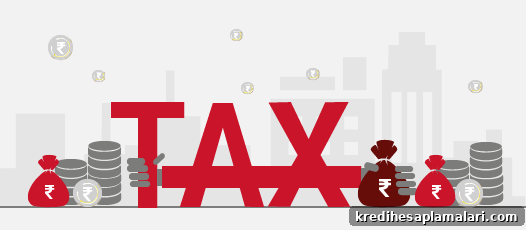
Tax rebates can provide meaningful relief for many types of loans, but not every loan carries tax benefits. Understanding which loans offer deductions and under which sections of the Income Tax Act is essential for making the most of available tax savings.
Taking any loan represents a financial commitment. Long-tenure loans like home and auto loans require sustained repayments, and education or personal loans can also strain finances if not managed carefully. To encourage responsible borrowing and improve living standards, the Government of India offers targeted tax incentives under the Income Tax Act, 1961. Below are three important loan types that can deliver tax advantages when certain conditions are met.
1. Education Loan Repayment: Deductions under Section 80E
- Education loans for higher studies in India or abroad help cover costs such as tuition, books, accommodation, travel, research materials, and other related expenses.
- Under Section 80E, the interest portion of an education loan is eligible for deduction; the principal repayment is not covered by this section.
- This deduction is separate from the deductions available under Section 80C (which covers other eligible investments and expenses up to Rs. 1.5 lakh).
- Tax benefits for interest on education loans are available for up to eight years from the year in which repayment starts.
- Most education loans include a moratorium period—typically one year after course completion—before repayment begins.
2. Home Loans: Deductions under Sections 80C, 24, 80EE, 80EEA, and CLSS
Home loans help both salaried and self-employed individuals buy property while also providing multiple tax-saving opportunities. The Income Tax Act offers deductions on both principal and interest components subject to specified conditions.
- Section 80C: Principal repayment on a home loan qualifies for deduction under Section 80C, subject to the overall limit of Rs. 1.5 lakh. For this benefit, the property should be held for at least five years. In the case of joint home loans, both co-borrowers may claim up to Rs. 1.5 lakh each under 80C, subject to the overall limit and conditions.
- Section 24B: Interest paid on a home loan for a self-occupied property is eligible for deduction up to Rs. 2 lakh per financial year under Section 24. For joint loans, each borrower can claim the deduction proportionate to their share of interest paid, up to applicable limits.
- Section 80EE: This section offered an additional interest deduction for first-time homebuyers. Under certain conditions (loan sanctioned within specified limits and property value caps), an additional deduction up to Rs. 50,000 was permitted.
- Section 80EEA: For loans sanctioned on or after April 1, 2019, first-time homebuyers meeting eligibility criteria could claim an additional deduction up to Rs. 1,50,000, subject to property value and other conditions.
- Credit Linked Subsidy Scheme (CLSS): Under the Pradhan Mantri Awas Yojana, eligible first-time buyers in certain income categories can receive subsidy benefits that effectively lower the loan burden, translating into potential tax and cash-flow advantages.
3. Personal Loans: Indirect Deductions Depending on Loan Use
Personal loans are unsecured and quick to obtain, making them useful for urgent expenses. Because they are generally high-cost borrowings, tax benefits on personal loans depend entirely on how the funds are used rather than on the loan type itself.
- If personal loan proceeds are used for acquiring, constructing, or renovating a house, the interest component may be treated similarly to home loan interest for tax purposes and could be claimed under relevant sections (for example, Section 24B for interest on loans used for house purchase/renovation), subject to conditions.
- When loan funds are used for business purposes or to purchase an income-generating asset, the interest expense is often allowed as a deductible business expense. In such cases, the interest increases the cost of acquisition or reduces taxable business income, which can lower tax liability.
In summary, education loans, home loans, and certain uses of personal loans can offer tax relief under different provisions of the Income Tax Act, 1961. These benefits can ease financial burden, but loans remain obligations that must be repaid responsibly. Always check the specific eligibility criteria, limits, and conditions for deductions before claiming tax benefits.
If you need quick financial support to manage your expenses, consider lenders that offer competitive rates and clear terms. For any questions about loans, tax deductions, or credit options, consult a qualified tax advisor or financial professional to ensure you claim benefits correctly and plan repayments responsibly.
Download the mobile app or visit the lender’s website to review available instant loan products and eligibility details.