5 Key Factors That Affect Your Personal Loan Interest Rate
Personal loans are increasingly popular among Indian consumers as everyday expenses and life goals grow. Quick personal loans can help cover emergencies and unexpected needs as well as planned expenses.
You can use personal loans for a variety of purposes, including:
- Paying utility bills
- Home renovations
- Wedding expenses
- Vacations or trips
- Higher education fees
- Medical emergencies
Because personal loans are unsecured, multipurpose, and often processed quickly, they offer a flexible way to meet financial needs. Competitive personal loan interest rates in India also make repayment manageable for many borrowers.
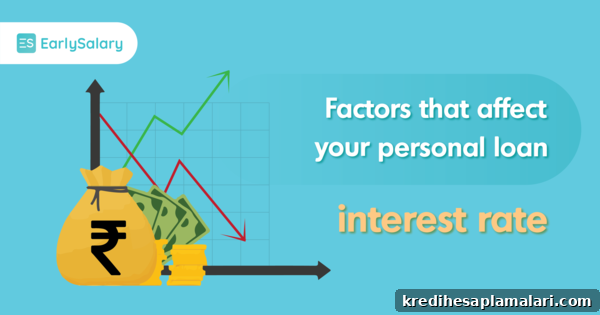
Faster application processes mean you can sometimes obtain a personal loan in minutes, but it’s important to evaluate several factors before applying. While tips and preparation can improve approval odds and help you estimate your repayment ability, the personal loan interest rate you receive has a major impact on the total cost.
Unlike some secured loans that have largely uniform rates, personal loan interest rates often vary between applicants. Lenders determine rates by assessing your financial profile and meeting their eligibility criteria. Below are five key factors that influence the interest rate on a personal loan.
1. Credit score
Your credit score is one of the most important elements lenders consider for unsecured loans. It reflects your financial track record—income, outstanding debt, borrowing behaviour, and past repayments—and is expressed as a three-digit number provided by credit bureaus. A higher score signals lower credit risk.
Borrowers with strong credit scores usually qualify for lower interest rates because lenders view them as more reliable. Generally, a score above 750 is considered favourable. Maintaining a healthy credit score through timely repayments and prudent credit use can help you secure a more competitive personal loan rate.
2. Income
Your income level affects both eligibility and the interest rate offered. Higher, stable income improves a lender’s confidence in your ability to repay, which can translate to more attractive interest rates. Lenders also require income to meet minimum thresholds, so consistent earnings are essential when seeking a lower rate.
3. Debt-to-income ratio
Even with a good salary, your existing monthly obligations matter. Lenders calculate your debt-to-income ratio by dividing total monthly debt payments by your monthly income. A higher ratio indicates greater financial strain, which increases perceived risk and may result in higher interest charges on a new personal loan.
4. Loan payment and credit history
Beyond the score itself, your credit report details repayment behaviour and outstanding delinquencies. A history of on-time payments demonstrates financial discipline and helps secure lower interest rates. Conversely, recent defaults or missed payments—especially within the past year—can lead to rejection or significantly higher rates.
5. Relationship with the lending institution
Your existing association with a bank or lender can influence the interest rate offered. Financial institutions often reward loyal customers or those with strong account histories with pre-approved offers and preferential rates. An established relationship can also speed up approval and disbursement, making access to funds faster and more convenient.
In summary, the interest rate on a personal loan depends on your credit score, income, debt-to-income ratio, repayment history, and relationship with the lender. Assess these factors carefully before applying to improve your chances of receiving a favourable rate and to ensure manageable repayments.
Consider preparing documentation that demonstrates steady income and on-time repayment behaviour, reducing outstanding debts where possible, and checking your credit report for errors before applying. These steps help present a stronger profile to lenders and may lower the interest you’re offered.
Download the personal loan app or log in to our website to explore offers and check pre-approved options tailored to your profile.