Daily ATM Withdrawal Limits: How Much Cash You Can Take Out
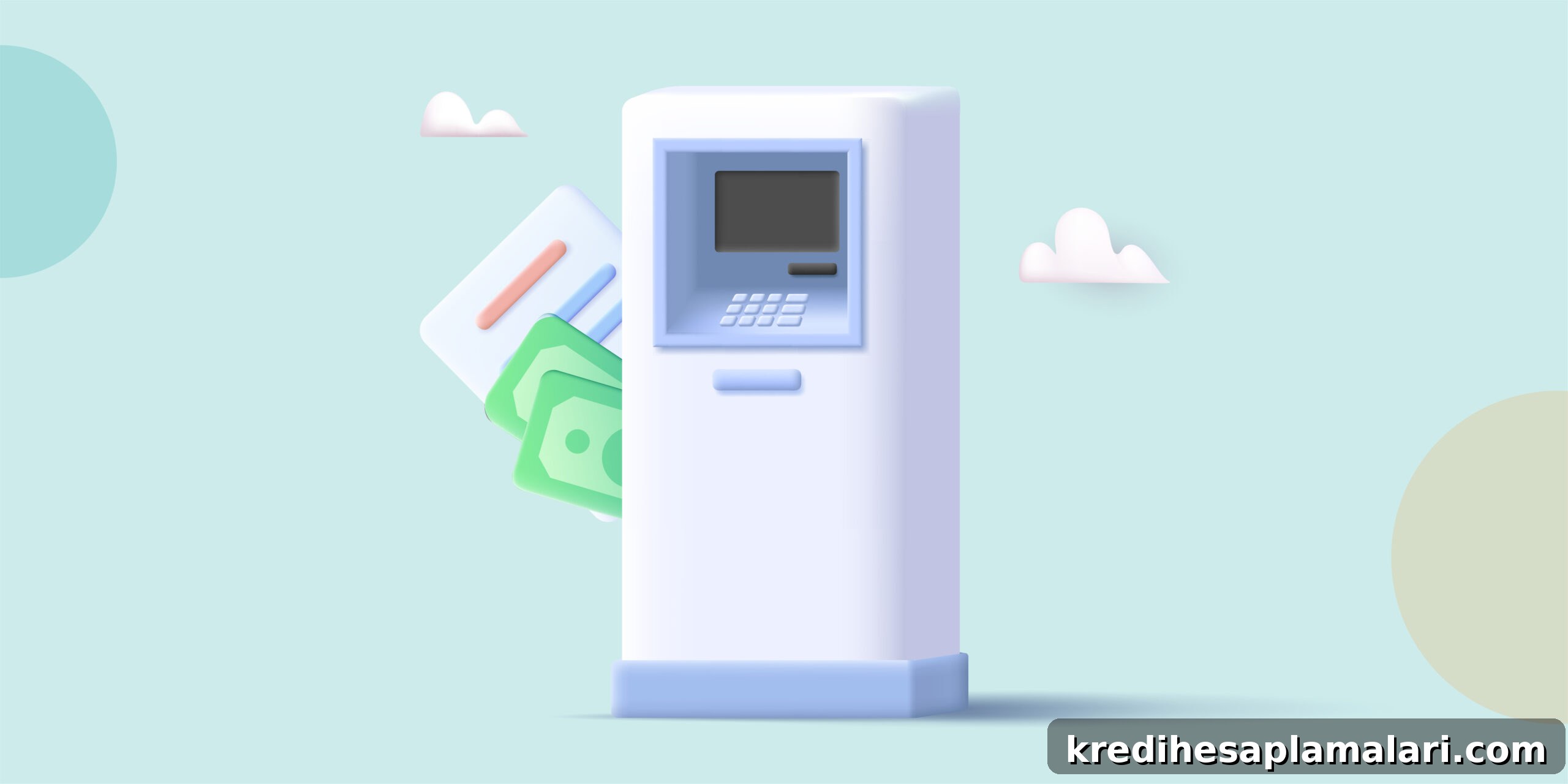
An ATM withdrawal limit defines the maximum cash you can withdraw from an ATM in a single day. Banks set these limits to protect customers and minimize potential losses if a card is lost or stolen. Limits vary by bank and account type, typically ranging from ₹10,000 to ₹50,000, depending on several factors.
Read on to learn what affects your daily ATM withdrawal limit and what charges may apply when you use an ATM.
Factors Affecting Your Daily ATM Withdrawal Limit
Each bank determines its own daily withdrawal cap. Many banks set a standard limit around ₹10,000 per day, while premium accounts or those with higher balances may have limits up to ₹50,000. Key factors that influence the limit include:
- Account type: Premium or higher-balance accounts usually receive higher withdrawal limits than standard savings or current accounts.
- Customer relationship: Long-standing customers or those with a strong banking relationship may qualify for increased limits.
- Regulatory guidelines: Banks operate within rules and guidelines set by regulators, such as the Reserve Bank of India, which guide how limits and security measures are applied.
- Operational considerations: Banks manage cash flow and ATM servicing; higher limits could increase cash shortages or maintenance needs, so limits help balance availability and reliability.
- Digital banking trends: As more customers use online and mobile banking for payments and transfers, reliance on cash declines, which can influence banks to set more conservative ATM limits.
When asking, “How much can I withdraw from an ATM?”, remember the answer depends on your bank’s policy, account type, and prevailing regulations. Knowing your limit helps avoid surprises during emergencies.
ATM Transaction Limits and Charges
Besides daily withdrawal limits, banks may limit the number of free ATM transactions each month. Many banks allow a set number of free transactions—often five—covering both cash withdrawals and non-financial activities like balance checks or mini statements. After exceeding the free quota, additional transactions typically incur charges. For example, some banks charge a fixed fee per excess transaction to cover processing and interchange costs.
How to Avoid ATM Charges?
You can reduce or avoid ATM fees by using these practical strategies:
- Use in-network ATMs: Stick to ATMs within your bank’s network or partner banks to avoid out-of-network fees.
- Prefer digital transactions: Use mobile banking and online services for bill payments, fund transfers, and balance inquiries instead of visiting ATMs frequently.
- Use card payments: Pay with your debit or credit card where accepted to limit cash withdrawals and minimize transaction fees.
Can You Increase Your ATM Withdrawal Limit?
Yes. Banks often allow customers to request a temporary or permanent increase in their daily withdrawal limit. Approval depends on factors like account history, relationship with the bank, and spending patterns. Contact your bank’s customer service or visit a branch to discuss options if you need a higher limit for specific reasons.
Understanding both your ATM withdrawal limit and monthly transaction allowances helps you manage cash more effectively. Plan ahead, use in-network ATMs when possible, and consider adjusting limits if you frequently need higher cash access.
Instead of frequent ATM visits, consider using card payments or registered credit card options for convenience and rewards. Using digital payment methods can save time and reduce reliance on cash while helping you avoid ATM fees.
FAQs
Is it possible to withdraw ₹30,000 from an ATM?
That depends on your bank’s daily withdrawal limit. If your bank’s limit is ₹30,000 or higher, you can withdraw that amount. If your limit is lower, you would need to request an increase or make multiple withdrawals across days, keeping in mind any fees or transaction limits.
Why do banks set the ATM withdrawal limit?
Banks set withdrawal limits to protect customers from large losses if a card is stolen or misused and to manage ATM cash availability and operational efficiency.
How many free ATM transactions can I make in a month?
Policies vary by bank, but many banks offer a limited number of free ATM transactions each month—commonly around five—which may include both cash withdrawals and service inquiries. Additional ATM uses may attract fees.
Can I increase my daily ATM withdrawal limit permanently?
Yes, you can request a permanent increase through your bank. Approval depends on the bank’s policies, your account conduct, and overall relationship with the bank.
Are there additional fees for ATM transactions in other cities?
Using ATMs outside your bank’s network or in different cities can attract extra charges depending on your bank’s fee structure. Check your bank’s terms to understand applicable fees for out-of-network or interstate ATM use.