What Is a Cancelled Cheque and How to Write One Step-by-Step
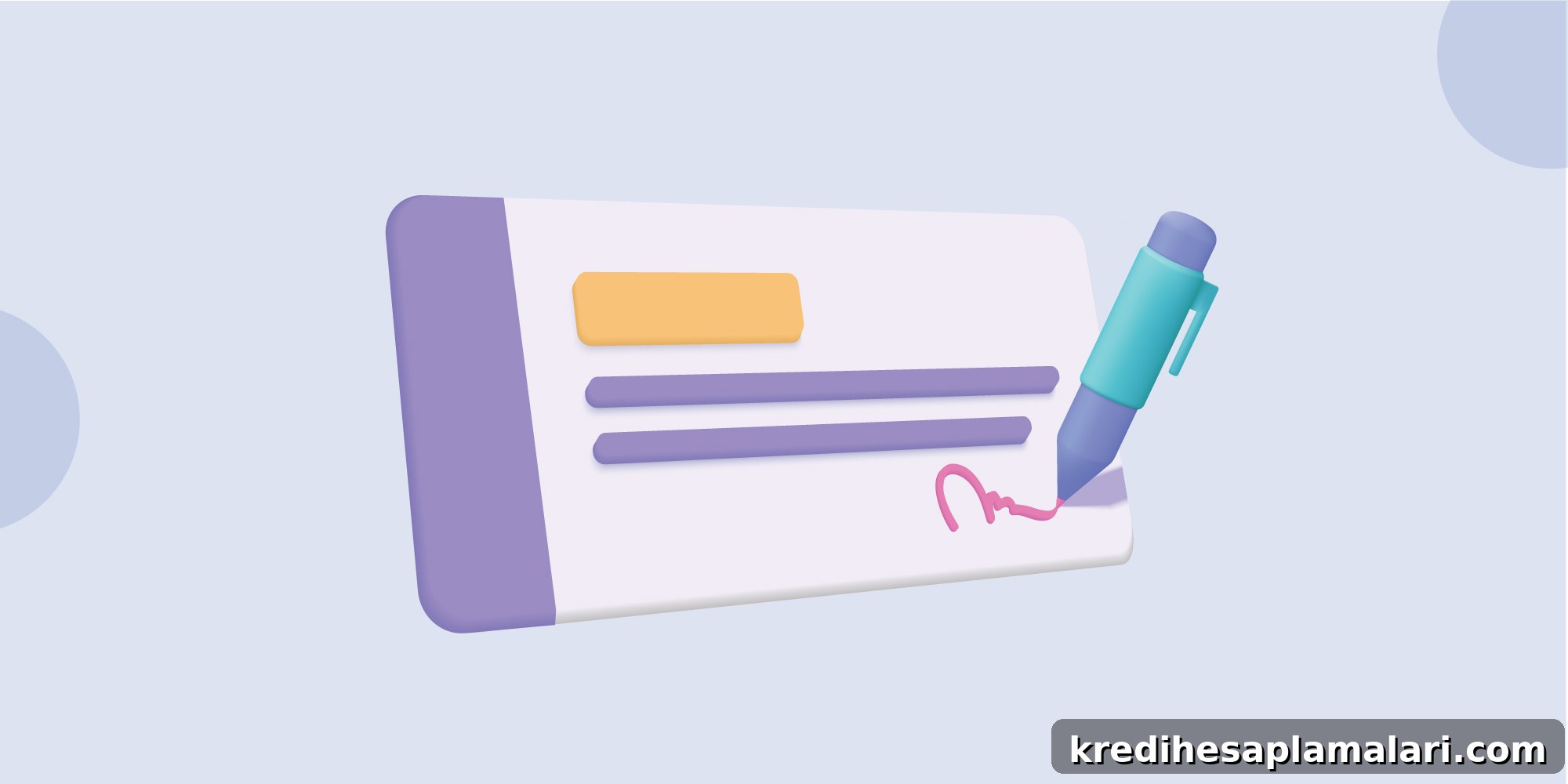
A cancelled cheque is a commonly requested document in banking and finance. Whether opening accounts, applying for loans, or linking investments, many financial services ask for one. It provides your bank account details without enabling any transaction.
However, many people are unsure what a cancelled cheque looks like or how to prepare one. This guide explains what a cancelled cheque is and shows how to complete one correctly.
What is a Cancelled Cheque?
A cancelled cheque is a cheque on which the word “CANCELLED” is written clearly, usually between two parallel lines. It cannot be used for payments or encashed after being cancelled, but it still displays essential details such as your name, account number, bank name, IFSC (Indian Financial System Code) and MICR (Magnetic Ink Character Recognition) code. Because it shows these details without permitting withdrawal, banks and service providers often request a cancelled cheque for verification.
Marking a cheque as cancelled simply prevents it from being processed while still confirming your account information. Typically you do not fill in any other fields or sign the cheque unless specifically asked. Common uses include setting up Electronic Clearing Service (ECS) for salary or auto-debit instructions, linking accounts for investments, insurance mandates, and loan applications. In each case, the cancelled cheque verifies the account is active and belongs to you.
Step-by-Step Guide to Fill a Cancelled Cheque
Preparing a cancelled cheque is straightforward but must be done accurately. Follow these steps:
Step 1: Use a fresh cheque
Choose a blank cheque from your cheque book with your printed name, account number and IFSC code clearly visible.
Step 2: Draw two parallel lines
Using a blue or black pen, draw two diagonal parallel lines across the cheque, typically from the top-left to the bottom-right corner.
Step 3: Write “CANCELLED”
Write the word “CANCELLED” in large, clear capital letters between the lines so it is easily readable.
Step 4: Do not sign the cheque
Generally, you should not sign a cancelled cheque unless the bank or the requesting organization explicitly asks for a signature.
Step 5: Leave other fields blank
Do not fill in the date, payee name, or amount. These are unnecessary on a cancelled cheque and should remain empty.
Step 6: Take a clear photograph if submitting digitally
If you are asked to upload the cancelled cheque, ensure you capture a clear image where all printed details are legible and there is no glare or blur.
Following these steps creates a valid cancelled cheque suitable for most verification and official uses.
When is a Cancelled Cheque Required?
Cancelled cheques are requested in many common financial scenarios. Typical situations include:
- Loan disbursal: Lenders request a cancelled cheque to confirm account details before crediting loan proceeds, ensuring funds reach the correct account.
- Setting up auto-debits: To enable ECS for EMIs, utility bills, SIPs or insurance premiums, a cancelled cheque links your bank account securely to the payment system.
- Salary or current account setup: Employers or banks may ask for a cancelled cheque to verify account details before crediting salary or activating a new account.
- Mutual fund and stock investments: Investment platforms use a cancelled cheque to associate your bank account with your investment folio for smooth transactions.
- Insurance premium or claim settlement: Insurers may require a cancelled cheque to verify your account for auto-debit instructions or claim payouts.
- EPF withdrawals: Provident fund withdrawals often require a cancelled cheque to confirm current bank account details.
- Income tax refunds: Tax authorities may request a cancelled cheque to ensure refunds are processed to the correct account.
- Company audits and compliance: Organisations sometimes collect cancelled cheques for record-keeping and to reconcile payment details during audits.
In each of these cases, a cancelled cheque helps keep paperwork accurate and speeds up verification. It’s a simple, secure way to confirm account ownership without enabling financial transactions.
Services that offer digital, fast access to credit and banking features often streamline many of these steps, but a cancelled cheque remains a widely accepted verification tool across banks and financial institutions.
FAQs on Cancelled Cheque
Is signature required on a cancelled cheque?
No. You generally do not need to sign a cancelled cheque unless a specific bank or organisation asks for it. Signing a cancelled cheque can introduce unnecessary risk if the document is not handled securely.
Is a cancelled cheque risky?
A cancelled cheque is not risky in normal use because it cannot be used for payments. Still, share it only with trusted parties and ensure the printed account details are clearly visible and correctly matched to your records.