How Mobile Payments Supported People During the Pandemic
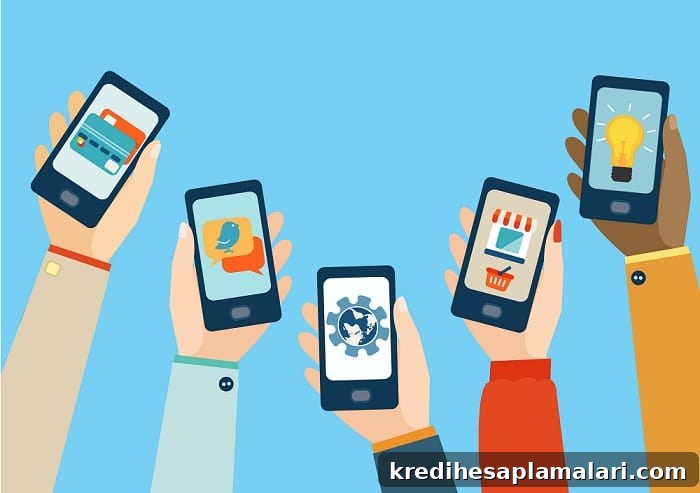
The COVID-19 pandemic forced businesses to close, people to socially distance, and many to remain at home. This disruption triggered a global economic downturn and put pressure on financial systems. Yet in an increasingly digital world, financial transactions could not simply stop. Digital financial services, particularly mobile money, became essential for individuals and organizations to continue exchanging value safely and conveniently.
According to the IMF’s Financial Access Survey, mobile money is a pay-as-you-go digital medium of exchange and store of value supported by a network of mobile money agents. Mobile money differs from mobile banking because it does not always require a traditional bank account—the primary requirement is access to a mobile phone. This model has been rapidly adopted across many low- and middle-income countries. Industry reports indicate mobile payments accounted for a significant share of global point-of-sale transactions and were expected to grow further. Contactless mobile payments helped maintain financial activity during the pandemic while protecting users’ physical and mental well-being.
Need Financial Help
Several characteristics make mobile money particularly valuable to the global financial community:
- High market penetration: Mobile money has firmly established itself in many low- and middle-income countries, with especially strong adoption in parts of Africa. High penetration means mobile money is often the most accessible option for everyday transactions, and governments can use it as an efficient channel for cash transfers and social assistance programs.
- Minimal physical contact: Public health guidance during the pandemic emphasized social distancing and reducing in-person contact. Mobile payments, already a contactless option, met this need effectively. They also provide more access points than traditional banking infrastructure like ATMs—anyone with a mobile phone can pay bills, send transfers, and carry out remittances from their device.
- Access for the unbanked: Mobile money services enable people without bank accounts to participate in digital finance. In locations where bank branches are scarce or mistrusted, mobile money offers an accessible alternative. Unbanked users can perform transfers, save funds in mobile wallets, and sometimes access additional financial services through partnerships between mobile providers and banks, as seen in some Kenyan examples.
During the pandemic, many countries introduced measures to support the expansion and use of mobile payments. Policymakers reduced transaction fees, raised transfer and payment limits, and relaxed certain KYC onboarding requirements to increase access and reduce barriers to use.
Despite these advantages, mobile money has limitations and risks. Profitability pressures may lead platforms to shift costs elsewhere. Customer protection and privacy are ongoing concerns in the digital environment, and operational risks or market concentration can create vulnerabilities. Regulatory mismatches or arbitrage can also pose challenges for a sector that evolves quickly.
At the same time, the rise of mobile money has spurred a broader ecosystem of mobile financial services, including instant loans and salary advances delivered through apps. Services that provide fast digital credit can help users meet short-term needs, although borrowers should weigh costs and terms carefully before using such products.
If you need assistance with credit, loans, or instant cash, consider reputable providers and read terms carefully. You can also explore official channels to download verified loan apps or sign up through a provider’s portal to learn about available products and eligibility.