Why Personal Loans Get Rejected: Salaried vs Self-Employed Explained
Personal loan rejections can be frustrating and confusing: you apply, wait, and then receive a “no.” In most cases, however, rejections happen for clear, understandable reasons. Lenders primarily evaluate the likelihood that you will repay the loan on time. Common red flags include a weak credit history, unstable or low income, a high debt-to-income ratio, or missing and incorrect documents.
Generally, a loan rejection means your application looks risky at the time of assessment. Once you know the specific reasons for the rejection, you can take targeted steps to improve your profile and apply with better chances of approval.
Common Reasons for Personal Loan Rejection
Seeing the situation from the lender’s perspective helps you prepare a stronger application. The most frequent reasons for rejection are:
- Poor credit history
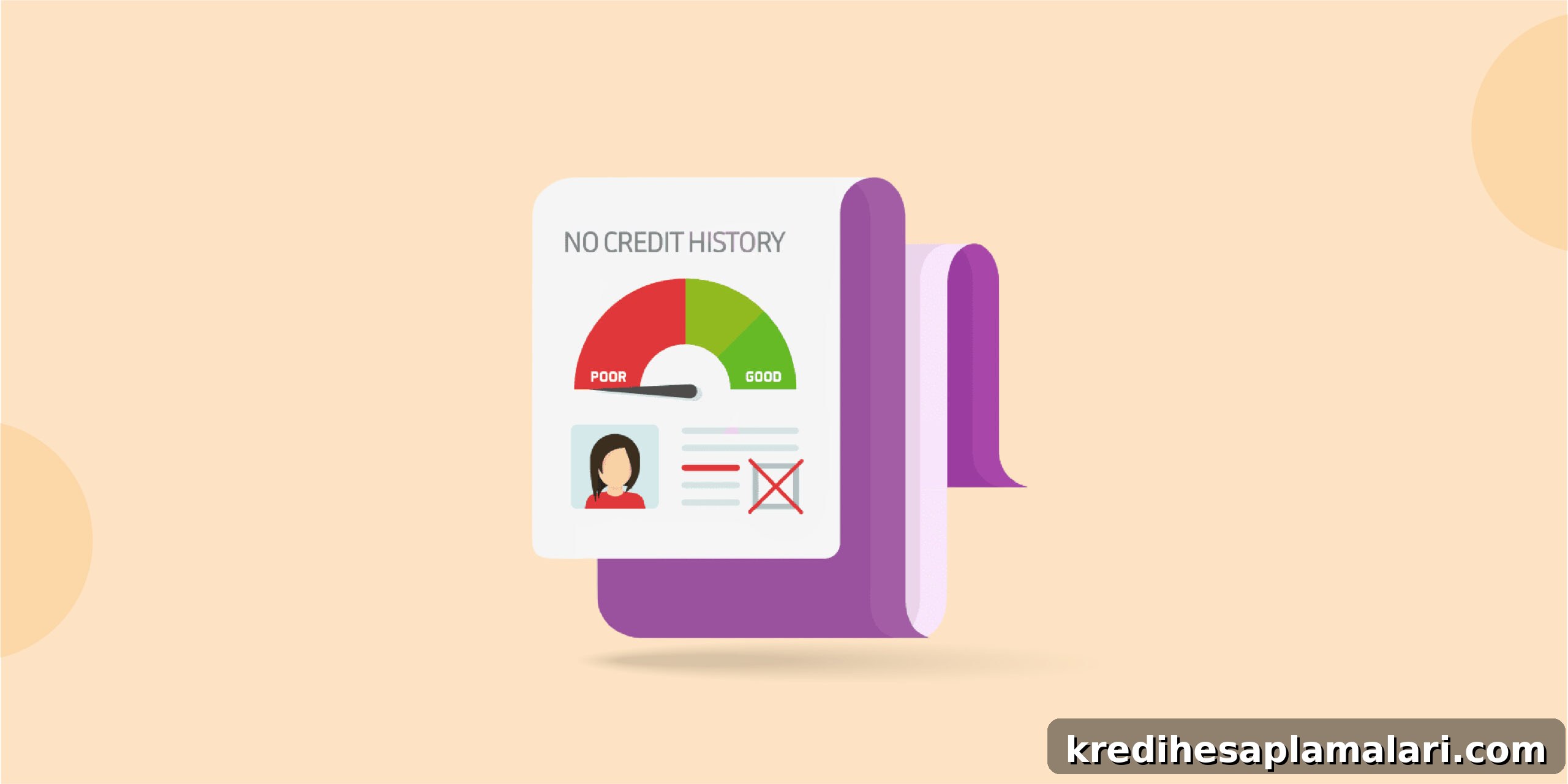
Your credit score and report reflect how you have handled credit previously—loans, credit cards and EMIs. Late payments, defaults, or unresolved dues signal higher risk to lenders. Even if your current income looks adequate, a poor credit history is one of the most common causes for rejection.
- Low or unstable income
Lenders need assurance you can meet monthly EMIs consistently. If your income is low, irregular, or fluctuates greatly, lenders may doubt your ability to make steady repayments. This applies to both salaried and self-employed applicants.
- High debt-to-income ratio (DTI)
DTI measures how much of your monthly income is already committed to repayments. For instance, if you earn ₹40,000 and ₹25,000 goes to existing EMIs, lenders may see little capacity for a new loan. A high DTI is a common rejection reason even for applicants with a reasonable credit score.
- Incomplete or incorrect documents
Documents validate your identity, employment and income. Missing paperwork, inconsistent details, or minor mismatches can delay approval or lead to rejection. Verifying and submitting accurate documents is essential to avoid this issue.
- Frequent loan applications
Multiple loan applications in a short period create repeated credit enquiries. Too many enquiries suggest financial stress and can reduce your approval chances. This is a common but frequently overlooked reason for personal loan denial.
- Job instability or frequent job changes
Lenders favor employment stability. Frequent job changes or short tenure in a current role can make your income appear uncertain. Some lenders may ask you to complete a probation period or maintain the current job for a set time before approving a loan.
- Not meeting eligibility criteria
Each lender sets basic eligibility requirements—age limits, minimum income, employment type, and other conditions. Failing even one criterion can result in rejection, regardless of strengths in other areas.
Reasons for Personal Loan Rejection: Salaried vs Self-Employed
How you earn income influences how lenders assess risk. The concerns differ for salaried and self-employed applicants:
| Salaried individuals | Self-employed individuals |
|---|---|
| Short time in current job | Income varies month to month |
| Employer not on lender’s approved list | Business cash flow is irregular |
| High EMI burden relative to salary | Limited or inconsistent financial records |
| Missing salary slips or incomplete pay documentation | Income proof is inconsistent or inadequate |
Next Steps After Personal Loan Rejection
A rejection can be discouraging, but it also provides useful information. Use the outcome to identify weaknesses and improve your chances next time. Practical steps include:
Step 1: Identify the reason for rejection
Contact the lender or review the communication you received to determine why your application was declined. Was it your credit score, DTI, documents, or something else? Knowing the exact reason lets you focus your efforts where they’ll matter most.
Step 2: Address weak areas
Take concrete actions: clear overdue payments, reduce outstanding liabilities where possible, correct document errors, and ensure all proofs of income and identity are accurate. Improving your credit behaviour and documentation increases the likelihood of approval and may lead to better interest rates.
Step 3: Wait before reapplying
Avoid submitting another application immediately. Multiple applications create additional credit enquiries and can lower your chances further. Give yourself time—several months is often prudent—so your profile can strengthen before you reapply.
Step 4: Apply realistically
Assess what you can comfortably repay each month. Opting for a lower loan amount or a longer tenure can improve approval odds. Make sure the requested EMI fits within a safe portion of your monthly income.
When you’re ready to try again, choose a lender or platform that evaluates applications holistically rather than relying solely on a single metric. Some lenders consider overall profile factors, which can benefit applicants who are improving their credit standing.
FAQs on Personal Loan Rejection Reasons
What makes you get rejected for a loan?
Loans are usually rejected because of a low credit score, high debt-to-income ratio, unstable income, missing or incorrect documents, or failure to meet other lender-specific eligibility criteria. Lenders want confidence that repayments will be smooth and timely.
Why am I being declined for a personal loan?
Declines often happen when lenders judge that you might struggle to repay due to past payment delays, high existing EMIs, inconsistent income, or insufficient documentation. Multiple recent loan enquiries can also signal financial stress and lead to a decline.
Can I apply for a loan again after rejection?
Yes, you can reapply after a rejection once you have addressed the issues that led to the decision. Make improvements to your credit, income stability, or documentation before applying again to increase your chances.
How long after a loan rejection should I wait to apply again?
While some applicants reapply within 1–3 months, waiting up to six months is often wiser. This gives you adequate time to correct problems such as overdue payments, reduce outstanding EMIs, and improve documentation or income proofs.
Does loan rejection affect my credit score?
A rejected personal loan application itself can have a small impact: each credit enquiry may slightly lower your credit score. However, the long-term effect depends on your overall credit behaviour and whether you address the reasons for rejection.
Why do personal loans get rejected?
Personal loans get rejected when part of your profile signals higher risk—common reasons include a low credit score, too many existing EMIs, unstable or inadequate income, or missing and incorrect documents. Addressing these factors improves approval prospects.