Why Gen Y Prefers Instant Loans: Key Benefits Explained

American politician and businessman Gavin Newsom once reflected on life’s uncertainty: “I feel we are well prepared for a disaster… but the reality is you can never be prepared enough. Never.”
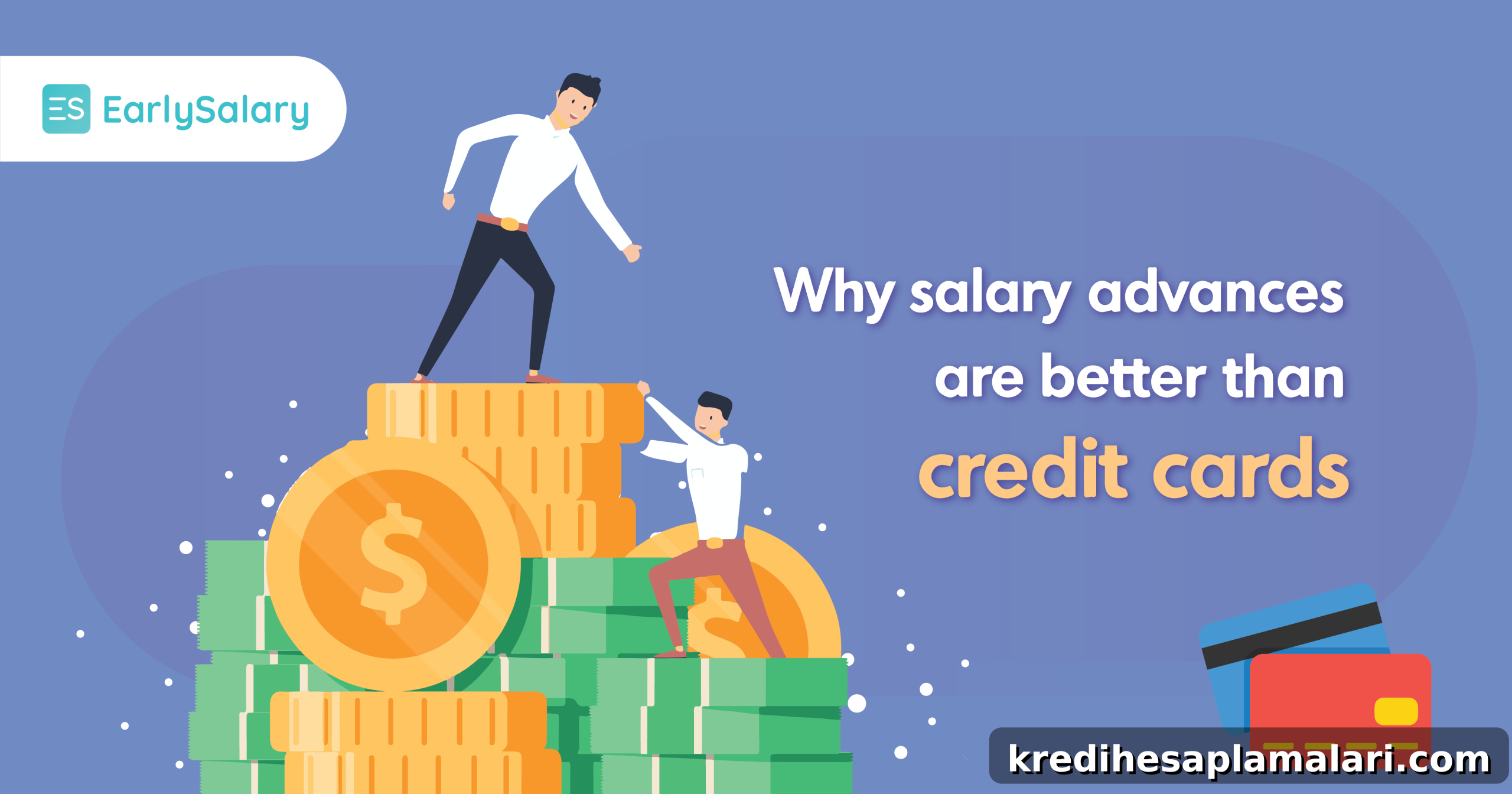
Today, financial wellness is more important than ever. Many in the working population—especially Generation Y—are exploring ways to build passive income and create financial buffers. Even with careful planning, unexpected expenses can quickly derail the best-laid plans. Traditional loans often involve lengthy processes and long-term repayment obligations that add stress. In emergencies, people frequently turn to instant loans and credit cards. Each option has trade-offs that should be carefully considered.
#1 Ease of Use
When facing a cash crunch, predictable costs and stable repayment terms matter. Credit cards can be convenient, but they often carry high and variable interest rates that change with market conditions. That variability can make budgeting harder and increase the risk of missed or partial payments, which harms your credit score. Personal instant loans typically offer fixed interest rates and defined repayment schedules. Making timely payments on a personal loan can lower your credit utilization and help improve your credit profile.
Banks and card issuers also expect punctual payments; variable rates and changing monthly obligations can upset carefully planned repayment strategies, increasing stress and the likelihood of falling behind.
#2 Quick Access Without Consequences
Traditional secured bank loans usually require collateral, which can be a barrier if you don’t have suitable assets. Missing repayments on secured loans can lead to asset forfeiture and negative reports to credit bureaus, severely impacting future borrowing ability. Credit cards offer quick access to funds but can encourage frequent spending. Without careful tracking, you can accumulate revolving debt and remain trapped in a cycle of minimum payments and ongoing interest charges. High credit utilization and additional fees further damage credit health.
Modern online lending platforms have changed how fast you can get funds. Many lenders and loan apps now provide quick approvals and disbursals for cash loans within a few days, and some can approve and transfer funds within 24 hours for urgent needs.
#3 Multiple and Varying Needs
Credit limits for both credit cards and instant cash loans are influenced by your credit score and repayment history. For short-term, small expenses that you can clear quickly, a credit card can be convenient despite higher interest—provided you pay the balance off before interest accrues. However, carrying credit card balances for extended periods becomes expensive.
For larger, longer-term needs, instant personal loans are often more suitable. These loans usually have set repayment terms and fixed monthly installments, spreading the cost over time. While monthly payments may be higher than a card’s minimum payment, the structured schedule and typically lower interest rates make budgeting easier and reduce the risk of runaway debt.
The Better Option
Weighing simplicity, cost, and flexibility, instant loans are often the better choice for many in Generation Y. They tend to offer lower, fixed interest rates, can be used for multiple purposes, and usually do not require collateral. Digital lending platforms have simplified application, approval, and repayment processes, making borrowing faster and more convenient than traditional bank routes. For those who prioritize predictable payments and lower long-term costs, instant loans present a practical, manageable path to addressing financial emergencies while helping preserve credit health.