Build an Emergency Fund in 10 Minutes for Urgent Expenses
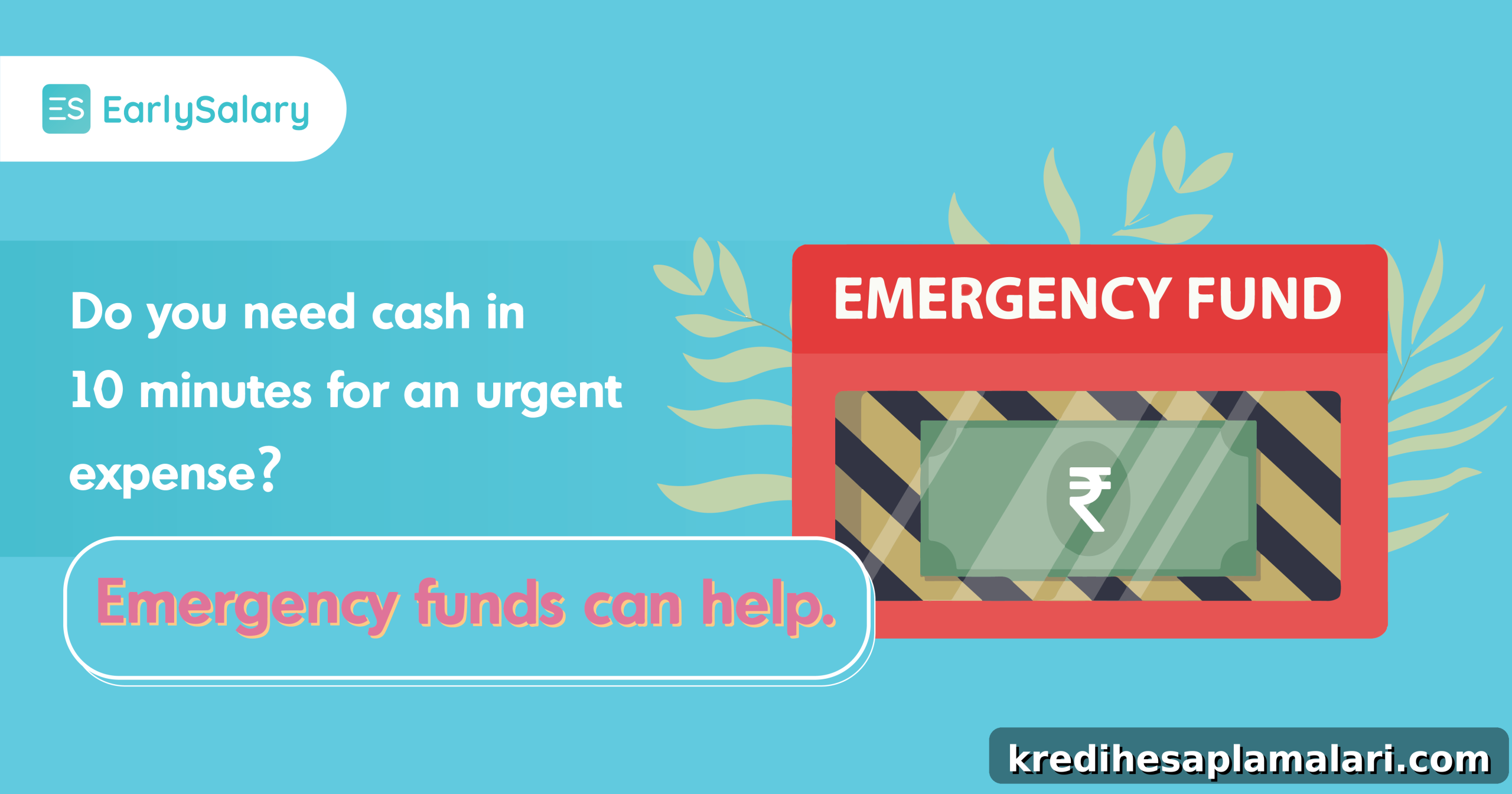
Highlight: Those who save for rainy days can sleep easier with the protection of an emergency fund.
The pandemic taught us a stark lesson: you never know when you might need immediate funds. From sudden medical crises to business shutdowns and unexpected job losses, unforeseen events can disrupt life and finances at any moment. An emergency fund provides a financial safety net to help you manage these shocks.
As we hope for a swift end to the health crisis, the economic outlook remains uncertain. The pandemic hit economies hard and directly affected many people’s jobs and incomes. In such times, people who have been saving are better positioned to weather the storm. Like squirrels storing food for tougher months, savers who have set aside money for rainy days can find greater peace of mind when emergencies arise.
A modest financial cushion can make a big difference, helping you cover essential expenses without adding debt. If you do not yet have an emergency fund, now is a good time to start. Below is a clear, practical guide to what an emergency fund is, why it matters, and how to manage one.
What is an emergency fund?
An emergency fund is money set aside to meet unexpected expenses such as medical emergencies, urgent household repairs, sudden job loss, or a pay cut. It also helps protect against broader disruptions affecting the community—natural disasters, social unrest, or pandemics. Financial experts and banks commonly recommend keeping three to six months’ worth of living expenses in an emergency fund.
Essentially, this fund is accessible capital reserved to cover life’s surprises so you can maintain basic living standards for a few months without going into debt. It functions similarly to insurance, except you don’t pay premiums; instead, you save and keep a ready reserve to use when needed.
Why an emergency fund matters
An emergency fund is a dedicated pool of cash reserved for crises or unexpected financial shortfalls—not for routine spending. The pandemic demonstrated the importance of having this buffer. Many people worldwide used their savings to stay afloat when income streams were interrupted. In situations where government assistance was delayed or unavailable, having personal savings made a crucial difference.
Without emergency savings, people are more likely to rely on high-cost credit options such as personal loans or credit cards, which can increase financial stress and long-term cost. A well-funded emergency cushion reduces dependence on borrowed money and provides time and flexibility to make better decisions during a crisis.
When building an emergency fund, choose deposit and investment options that preserve capital and remain liquid. Suitable choices include a regular savings account, sweep-in fixed deposits, liquid mutual funds, or other highly liquid instruments. The goal is quick access to funds without significant penalties or market risk.
It’s also important to align the chosen instruments with your risk tolerance and financial goals. Some options earn modest interest while maintaining liquidity, which can help the fund grow gradually. In certain cases, the right choice may provide small tax benefits depending on your jurisdiction and the product selected.
Besides offering security, a properly managed emergency fund aids in debt management and can reduce the need to sell investments at an inopportune time. By having a reserve, you protect long-term financial plans and avoid disrupting investment strategies during downturns.
Conclusion
Building an emergency fund is a practical, effective way to protect yourself and your family from unexpected financial shocks. A dedicated reserve helps preserve financial stability, reduces reliance on credit, and gives you valuable peace of mind. If you need alternative options for urgent cash, consider reputable, short-term solutions that are transparent about terms and fees, and keep borrowing as a last resort when your emergency savings are insufficient.
Start small if needed: consistent contributions over time grow into a meaningful cushion. Prioritize liquidity, low risk, and accessibility when choosing where to keep your emergency fund, and review it periodically as your expenses and circumstances change.