Top 10 Digital Wallets in India 2026: Compare Mobile & E-Wallet Apps
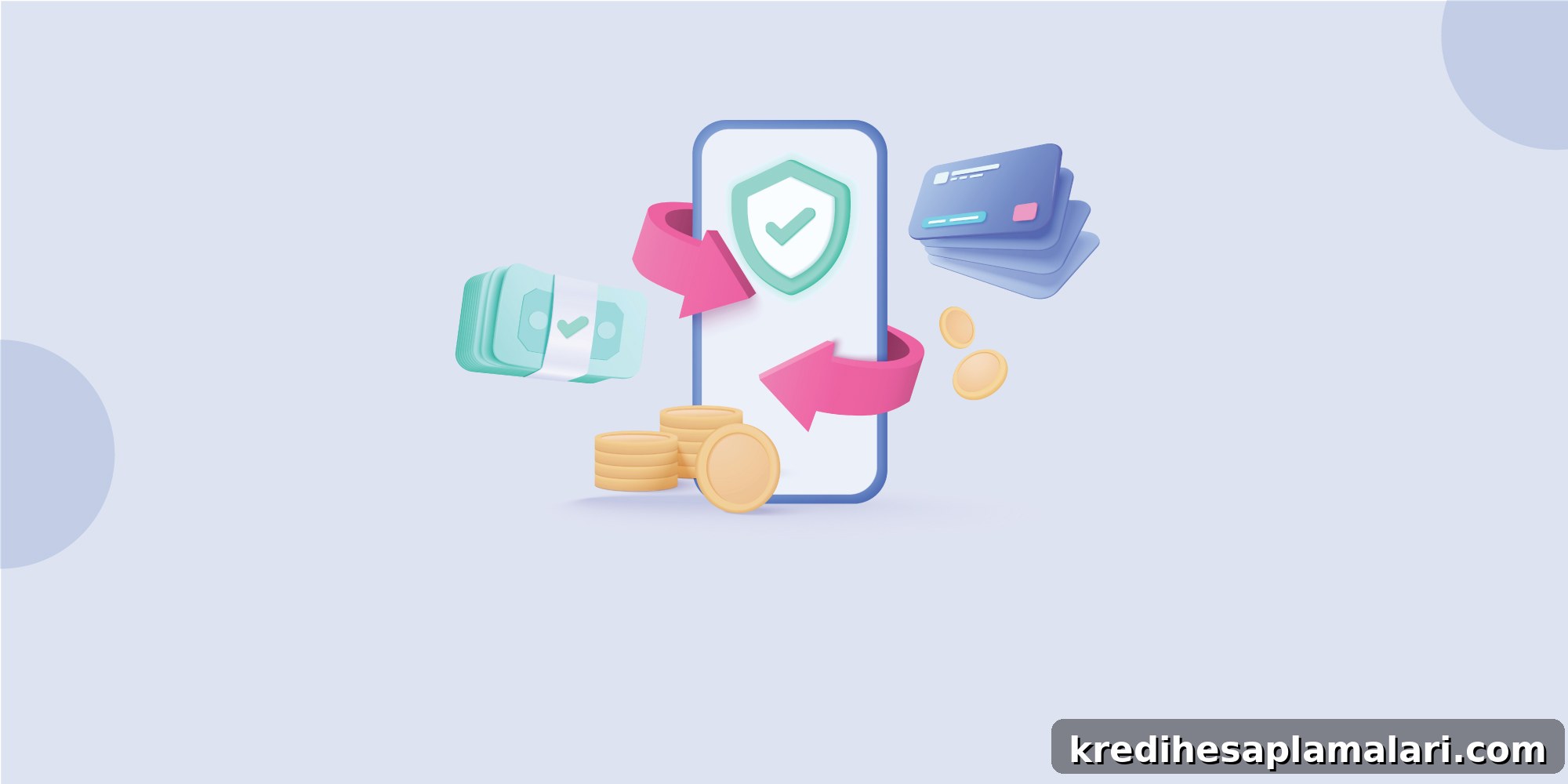
Looking for the best wallet app in India? The right choice depends on how you pay. PhonePe and Google Pay lead for everyday UPI transactions, Amazon Pay is convenient for shopping and bill payments within its ecosystem, MobiKwik is useful for wallet-led payments and offers, and Apple Pay serves Apple-device users where supported. For low-value daily payments, UPI Lite wallets are gaining popularity because they let you complete small-ticket transactions quickly without entering your UPI PIN every time.
Digital wallets are a practical alternative to carrying cash, debit or credit cards. They let you store funds, link bank accounts or cards, pay merchants, recharge mobiles, clear utility bills, buy tickets and review spending from a single app. With India’s digital payment ecosystem expanding rapidly, UPI has become the core method for many everyday transactions, reflecting how mobile-first payments are now embedded in daily life.
A good wallet app is not just about offers. The best choice prioritizes security, ease of use, merchant acceptance and transparent charges. It should follow regulatory requirements for prepaid payment instruments and adhere to guidance from the Reserve Bank of India (RBI) to ensure secure, sustainable growth of wallet services.
What is a Digital Wallet / E-Wallet?
A digital wallet, or e-wallet, is an app on your phone that stores money or links to other payment sources such as a bank account, debit or credit card, or UPI ID. You can use it to make online or in-store payments without cash or physical cards.
When you scan a QR code at a shop, recharge your FASTag, pay an electricity bill, buy a movie ticket or transfer money to a friend, you are using either a wallet or a UPI-enabled payment app. Wallets simplify these tasks and help you manage payments conveniently.
In simple terms:
| Feature | What it Means |
|---|---|
| Stores money digitally | Load funds into a wallet balance |
| Supports quick payments | Pay merchants, bills and services in seconds |
| Links with bank accounts/cards | Many apps allow UPI, debit card or credit card linking |
| Keeps payment records | View transaction history anytime |
| Adds security layers | PINs, biometrics, device binding and tokenisation are common |
A key difference between a wallet and direct UPI is that a wallet can hold a stored balance, while UPI typically moves money directly between bank accounts.
Types of E-Wallets in India
E-wallets are generally classified by where and how they can be used. Some are accepted broadly across merchants, while others work only within a specific platform or ecosystem.
| Wallet Type | Examples | Key Feature |
|---|---|---|
| Open Wallet | ICICI Pockets, M-Pesa | Offers broader functionality, sometimes including cash withdrawal where permitted |
| Semi-Closed Wallet | Paytm, PhonePe, MobiKwik | Usable at listed merchants; cash withdrawal is generally not allowed |
| Closed Wallet | Amazon Pay, MakeMyTrip Wallet | Usable only within the issuing platform or partners |
| UPI Lite Wallet | BHIM UPI Lite, Paytm UPI Lite | Designed for fast, low-value transactions |
Prepaid payment instruments in India are regulated by the RBI under the PPI framework. Recent regulatory updates aim to strengthen transaction security and customer protection for wallets and similar instruments.
Top 7 Wallet Apps in India (2026)
Below are some popular wallet and payment apps in India, their wallet type, core features and best use cases.
1. Apple Pay
Type of wallet: Card-based digital payment service
Best for: iPhone, Apple Watch and other Apple ecosystem users
Apple Pay enables payments using Apple devices by adding supported cards to Apple Wallet. The standout strength is security: it uses tokenisation and device-based authentication like Face ID or Touch ID, so actual card details aren’t shared with merchants.
Key features:
- Works across supported Apple devices
- Uses biometric authentication
- Supports tokenised card payments
- Useful for contactless payments where accepted
- Integrates with Apple Watch for quick payments
Keep in mind: Availability and functionality depend on bank, card network and merchant support in India.
2. Amazon Pay
Type of wallet: Closed wallet linked to the Amazon platform
Best for: Amazon shoppers, bill payments and gift card users
Amazon Pay is convenient for frequent Amazon customers and users who pay bills, recharge, book travel or buy gift cards through Amazon. It offers seamless integration with the Amazon ecosystem and periodic rewards.
Key features:
- Seamless Amazon shopping payments
- Supports bill payments and recharges
- Offers cashback and promotional vouchers
- Useful for gift card and balance-based payments
- Works with selected partner merchants
3. Google Pay
Type of wallet/payment app: UPI-led payment app
Best for: UPI payments, bank transfers and everyday QR payments
Google Pay (GPay) is widely used for UPI transactions. It links bank accounts for instant transfers, supports QR code payments at merchants, handles recharges and bills, and tracks transactions.
Key features:
- UPI-based bank-to-bank payments
- QR code merchant payments
- Mobile recharge and bill payments
- Rewards and cashback offers
- Strong integration with the Google ecosystem
- Security features like UPI PIN and device-level protection
4. MobiKwik
Type of wallet: Semi-closed wallet
Best for: Wallet payments, bill payments, offers and users who prefer wallet-led transactions
MobiKwik is a long-standing wallet in India used for recharges, bill payments and merchant transactions. It suits users who like carrying a dedicated wallet balance for frequent small expenses.
Key features:
- Wallet-based payments
- UPI support
- Bill payments and recharges
- Cashback and discount offers
- QR code merchant payments
- Budgeting with wallet balance options
5. Paytm
Type of wallet: Semi-closed wallet and UPI app
Best for: Bill payments, merchant payments, recharges, transit and everyday payments
Paytm supports UPI, wallet payments, QR merchant transactions, recharges, utility bills and ticket bookings. It serves as a multi-service payment app but users should stay informed about regulatory changes that may affect specific features.
Key features:
- UPI and wallet payments
- QR merchant payments
- Mobile recharge and utility bills
- Ticketing and service payments
- Cashback and rewards on selected transactions
6. PhonePe
Type of wallet/payment app: UPI-led app with wallet and financial features
Best for: UPI payments, bill payments, recharges and merchant QR payments
PhonePe is widely accepted for UPI transactions, utility bills, recharges, investments and merchant payments. It combines ease of use with broad acceptance across QR-based merchants.
Key features:
- QR code payments
- UPI bank transfers
- Bill payments and recharges
- Wallet and gift card options
- Insurance, investment and financial integrations
- Transaction tracking
7. WhatsApp Pay
Type of wallet/payment app: UPI feature inside WhatsApp
Best for: Sending money to friends and family within chats
WhatsApp Pay lets users send and receive money using UPI directly within chat windows, making peer-to-peer transfers convenient during conversations.
Key features:
- UPI payments inside WhatsApp chats
- Simple money transfers to contacts
- No need to switch apps for peer-to-peer payments
- Uses UPI PIN for authentication
- Useful for small transfers among known contacts
Quick Comparison: Top Wallet Apps in India
| Wallet App | Wallet Type | Best For | Key Strength |
|---|---|---|---|
| Apple Pay | Card-based digital wallet | Apple users | Tokenised, device-based payments |
| Amazon Pay | Closed wallet | Amazon shopping and bills | E-commerce rewards |
| Google Pay | UPI-led payment app | Everyday UPI payments | Simple bank-to-bank transfers |
| MobiKwik | Semi-closed wallet | Wallet payments and offers | Wallet balance and cashback |
| Paytm | Semi-closed wallet / UPI app | Bills, recharges, QR payments | Multi-service payment ecosystem |
| PhonePe | UPI-led payment app | Daily payments and bills | Wide merchant acceptance |
| WhatsApp Pay | UPI payment feature | Chat-based transfers | Pay directly inside WhatsApp |
Payment Wallets Issued by Banks
Several banks offer payment apps or wallet-like solutions that integrate directly with banking services, which can be useful if you prefer a bank-backed app.
| Bank | Application Name |
|---|---|
| Axis Bank | BHIM Axis Pay |
| HDFC Bank | HDFC PayZapp |
| Punjab National Bank | PNB ONE |
| ICICI Bank | ICICI Pockets |
| IDBI Bank | Go Mobile+ App |
| State Bank of India | YONO SBI |
| Yes Bank | Yes Pay |
Linking Cards with a Mobile Wallet
Procedures vary by app, but most follow a similar flow to link a bank account or card.
Steps to Link a Bank Account or Card
- Open the mobile wallet app
Launch the app and sign in using your registered mobile number.
- Go to profile or payments settings
Look for options like “Payment Methods”, “Bank Account”, “Cards” or “Linked Accounts”.
- Select ‘Add Bank Account’ or ‘Add Card’
Choose whether to link a savings/current account, debit card or credit card.
- Choose your bank or card issuer
Select your bank from the list shown in the app.
- Verify your details
Complete OTP, UPI PIN or card verification as required.
- Start using the wallet or payment app
Once linked, use the wallet to load balance, make payments or transfer funds depending on the app’s features. Rules differ across wallets, banks and UPI services, so confirm specific limits and capabilities in the app.
Advantages of E-Wallets in India
E-wallets make payments faster, safer and easier to track. Key advantages include:
1. Convenience
Pay anytime without cash or cards: electricity bills, tickets, recharges, online shopping or QR payments at stores.
2. Better Security
Wallets use OTPs, UPI PINs, biometrics, device binding, encryption and tokenisation, reducing the need to hand over physical cards.
3. Faster Transactions
Most wallet and UPI payments complete within seconds, ideal for groceries, cabs, food orders and small merchant payments.
4. Cashback and Rewards
Wallet apps often run cashback, coupons or voucher offers that can reduce recurring costs, though offers change frequently.
5. Easy Spend Tracking
Transaction histories help you track expenses and budget, especially if you use a dedicated wallet balance for daily spending.
6. Useful for Low-Value Payments
UPI Lite wallets are designed for small payments. Higher per-transaction and wallet limits make them practical for everyday purchases.
How to Choose the Best Wallet App in India?
Choose a wallet based on your payment habits rather than popularity. Consider:
- Security: Look for UPI PIN, biometric login, device binding, encryption and fraud alerts.
- RBI compliance: Use wallets that follow RBI and NPCI guidelines.
- Merchant acceptance: Pick an app accepted by the stores and billers you use regularly.
- UPI support: Choose a UPI-first app if you prefer bank-to-bank transfers.
- Wallet balance: If you budget with a fixed amount, pick an app that supports stored balance.
- Rewards: Compare offers but don’t select an app solely for short-term cashback.
- Bill payments: Check support for electricity, gas, broadband, FASTag, DTH and insurance.
- Customer support: Fast dispute resolution is essential for failed or pending transactions.
- Card compatibility: Verify that your debit or credit card works with the app.
- Ease of use: The app should be intuitive for daily payments.
- Transaction limits: Review wallet, UPI and UPI Lite limits before high-value transactions.
A practical approach is to use one primary app for UPI payments, a wallet for offers or budgeting, and your bank’s app for high-value or sensitive transactions.
E-Wallet Safety Tips in India
Follow basic precautions: download apps only from official stores, never share OTPs, UPI PINs, card PINs or CVV, avoid screen sharing, enable app lock or biometrics, keep your phone updated and avoid public Wi‑Fi for payments. Always verify the receiver’s name before confirming UPI transfers and, if your phone is lost, block SIM access, sign out of payment apps and contact your bank or wallet provider. Keep limited funds in wallet balance and review transaction history regularly.
FAQs on Wallet Apps in India
Is a wallet better than UPI?
Wallets are useful if you want to store a fixed amount for daily spending, use offers or manage a budget. UPI is best for direct bank-to-bank transfers. Many users combine both: UPI for direct transfers and wallets for small payments, offers and budgeting.
Is Google Pay a mobile wallet?
Google Pay is primarily a UPI-based payment app. It functions like a mobile payment app by linking bank accounts, scanning QR codes, sending money and handling bills, but its core purpose is direct UPI transfers rather than maintaining a separate wallet balance.
Is PhonePe wallet safe?
PhonePe is generally considered safe when used correctly. It uses UPI PIN protection and app-level security. Safe usage depends on not sharing OTPs, verifying recipients and avoiding suspicious links.
Which is the safest online wallet?
The safest wallet is regulated, widely trusted, regularly updated and equipped with strong security features such as PINs, biometrics, tokenisation and fraud monitoring. Compare security features, app reviews and grievance mechanisms before choosing.
What is the difference between open and semi-closed wallets?
Open wallets can offer broader functionality, including purchases, transfers and cash withdrawal in permitted cases, and are often issued by banks or authorised entities. Semi-closed wallets can be used with listed merchants but typically do not allow cash withdrawal.
Which digital wallet is best for cashback and rewards?
Cashback and reward leaders change with campaigns. Amazon Pay is strong for e-commerce rewards, MobiKwik runs frequent bill and wallet offers, and Paytm, PhonePe and Google Pay offer periodic cashback and coupons. Check live offers in the app before paying.
Can I use a digital wallet without a bank account?
Some wallets allow use without a linked bank account by loading money via cards or permitted top-ups, but full functionality often requires KYC and many UPI features need a linked bank account.
Are digital wallets regulated by the RBI in India?
Yes. Digital wallets that qualify as prepaid payment instruments are regulated by the Reserve Bank of India. RBI’s PPI Master Directions set rules for issuance, KYC, limits, interoperability, security and grievance redressal, and recent updates aim to further strengthen the framework.