Why Personal Loan Interest Rates Rise and How to Lower Yours
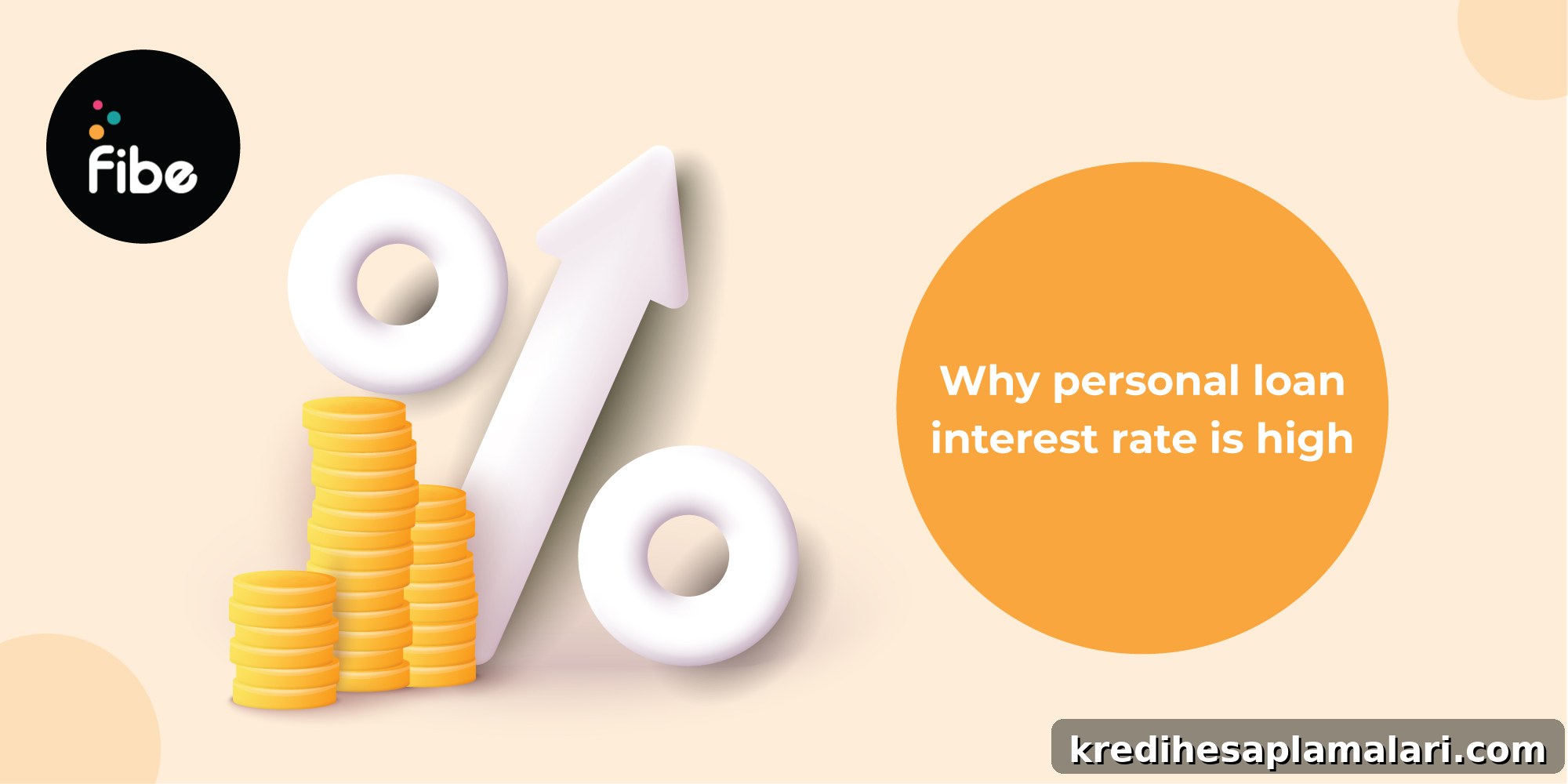
The average personal loan interest rate varies by lender, but it is typically higher than rates for secured loans and other credit products. Understanding why personal loan rates tend to be elevated helps you make better borrowing decisions.
Read on to learn why personal loan interest rates can be high and what factors influence the rate you may be offered.
Why Are Personal Loan Interest Rates Higher?
Loans generally fall into two categories: secured and unsecured. Secured loans require you to pledge an asset as collateral, while unsecured loans do not. Because collateral provides lenders a way to recover funds in case of default, secured loans carry lower risk and often come with lower interest rates.
Personal loans are typically unsecured, which means lenders face greater risk when they extend credit. To compensate for that higher risk, lenders charge higher interest rates on personal loans compared with many secured loan options.
Factors That Affect Your Personal Loan Interest Rate
Several borrower- and market-related factors influence the interest rate a lender may offer. Key considerations include:
- Income
Lenders set minimum income requirements to ensure borrowers can meet repayments. If your income is low relative to the loan amount, lenders often charge a higher rate to offset the increased risk.
- Income Stability
Stable, predictable income—such as long-term salaried employment—generally results in more favorable rates. Frequent job changes, recent employment starts, or irregular income make lenders view you as higher risk, which can push rates up.
- Debt-to-Income (DTI) Ratio
A high level of existing debt reduces your ability to take on new obligations and increases the likelihood of default. Lenders commonly charge higher interest rates when your DTI ratio indicates greater financial strain.
- Credit Score
Your credit score is a primary measure of creditworthiness. A strong credit score signals reliable repayment behavior and usually results in lower interest rates. Conversely, a low score typically attracts higher rates.
- Loan Tenure
Interest rates and loan tenure are related: longer tenures often carry higher rates because the lender’s risk exposure extends over a greater period. Choosing a shorter tenure can lower the rate, but may increase monthly payments.
- Relationship with the Lender
Existing customers with a positive repayment history may receive preferential rates as a reward for loyalty. Lenders sometimes offer discounted pricing or exclusive deals to long-term customers.
- Economic Climate
Macro factors such as central bank policy rates influence borrowing costs across the market. When benchmark rates rise, lenders’ cost of funds increases and they typically pass that on to borrowers. Individual lender policies and risk appetites also cause rate differences between institutions.
While personal loans can carry higher rates, you can still take steps to secure a more affordable offer.
How to Get a Lower Personal Loan Interest Rate
- Improve your credit score before applying by paying bills on time and reducing outstanding balances.
- Maintain a clean repayment history with no defaults.
- Compare interest rates from multiple lenders to find the best terms.
- Demonstrate steady employment or a higher income to strengthen your application.
- Choose a loan tenure that balances a lower rate with manageable monthly payments.
- Avoid multiple loan applications in a short period, which can negatively affect your credit profile.
- Consider applying with a lender where you already have an established relationship.
Following these steps improves your chances of negotiating a lower interest rate and more comfortable repayment terms. Evaluate lenders carefully to find the best fit for your needs and financial situation.
FAQs on Higher Interest Rates for Personal Loans
Why is interest on personal loans high?
Personal loans are generally unsecured and lack collateral, which increases the lender’s exposure to loss. Lenders offset that greater risk by charging higher interest rates.
Which types of loans typically have the highest interest rates?
Unsecured credit products usually carry higher rates. Common examples include:
- Personal loans
- Student loans (in some markets and for certain borrowers)
- Credit card balances
- Short-term business loans
Understanding these factors and preparing your application—by improving credit metrics, stabilizing income, and comparing offers—can help you secure a more favorable personal loan rate.