5 Tax Penalties Every Taxpayer Must Know
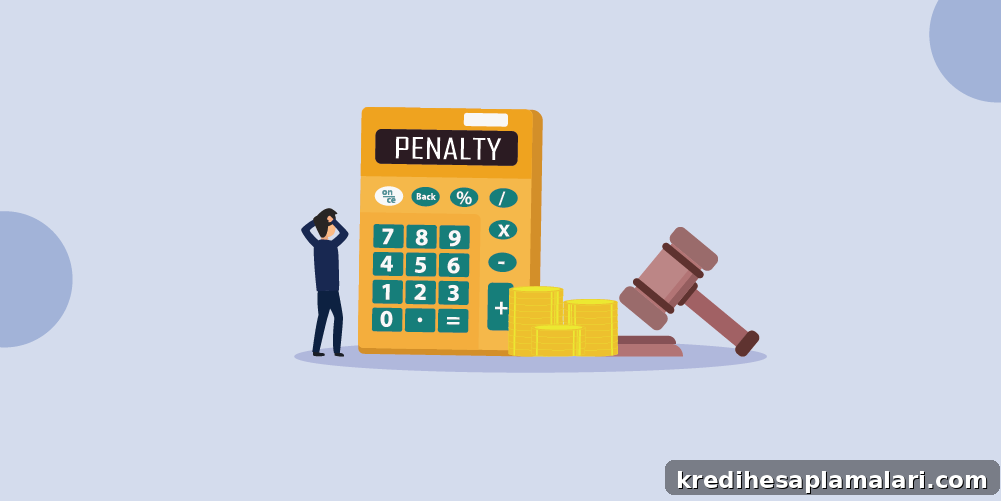
Navigating India’s complex tax laws and frequent rule changes can be difficult even for conscientious taxpayers. Despite careful planning, missed filings or inadvertent mistakes can lead to substantial penalties. A lack of awareness about tax penalties can cost individuals and businesses significant sums if they fail to meet compliance requirements.
This article highlights five key tax penalties imposed by the Income Tax Department. It explains penalties related to cash transactions for loans, failure to maintain books of account, delayed or missing audits, underreporting or concealing income, and failing to furnish required transaction details.
1. Penalty for Accepting or Repaying Loans in Cash
Under sections 269SS and 269T of the Income Tax Act, accepting or repaying any loan or deposit of ₹20,000 or more in physical cash attracts a penalty equal to the full amount of the loan or deposit. This provision is intended to discourage transactions in unaccounted cash.
For example, taking a cash personal loan of ₹50,000 from an informal lender would invite a penalty of ₹50,000. Similarly, repaying a home loan EMI of ₹30,000 in cash would result in a ₹30,000 penalty. Receiving ₹2 lakhs or more in cash from a single person on the same day can also trigger the same penalty.
2. Penalty for Not Maintaining Books of Account
Section 271A penalizes failure to maintain proper books of account and supporting documents as required by the Income Tax Act. A default may attract a penalty of ₹25,000. For taxpayers involved in international transactions, a higher penalty applies—2% of the value of the international transaction—if relevant documentation is not kept.
Maintaining accurate accounts and preserving required records is the best way to avoid this penalty and demonstrate compliance during assessments or audits.
3. Penalty for Not Getting Accounts Audited
Businesses with annual turnover exceeding ₹1 crore must complete a tax audit by the statutory deadline (typically September 30). Failure to obtain a timely tax audit invites a penalty under section 271B, set at 0.5% of turnover or ₹1.5 lakhs, whichever is lower.
For professionals with gross receipts above ₹50 lakhs, the fixed penalty can be ₹1.5 lakhs. Consulting an income tax penalty chart or seeking professional advice helps you understand applicable fines for audit non-compliance. Timely audits reduce the risk of penalties and ensure that accounts accurately reflect business operations.
4. Penalty for Underreporting Income
Section 270A prescribes penalties for underreporting income. The standard penalty is 50% of the tax shortfall. For smaller underreporting where the tax effect is up to ₹50,000, a reduced penalty of 10% may apply. Underreporting can occur through inflated expenses, suppressed sales, misreporting income, or other forms of inaccurate reporting.
This strict penalty aims to deter dishonest reporting and encourage accurate tax filings.
5. Penalty for Not Furnishing Transaction Information
Since the financial year 2016–17, taxpayers must disclose specified high-value transactions—such as large cash deposits or significant investments in shares and mutual funds—when filing returns. Section 271FA provides for a daily penalty of ₹500 for failure to furnish such information, continuing until the details are submitted. Persistent failure to comply after notice can lead to an increased daily penalty of ₹1,000.
In addition, inaccurate reporting of such transactions may attract a penalty of up to ₹50,000. Timely and accurate disclosure of specified transactions helps avoid cumulative daily fines and higher penalties.
Conclusion
Ignorance of tax penalties can be costly. The five penalties described here reinforce the importance of compliance: avoid large cash dealings for loans, maintain proper books and supporting documents, complete timely audits, report income accurately, and disclose prescribed high-value transactions. Staying informed and organized reduces the risk of penalties. If you receive a tax penalty notice, consult a chartered accountant to understand your options and, if applicable, present a reasonable cause for any inadvertent non-compliance.
If you need funds for urgent expenses, a personal loan may be an option to consider. Assess financing needs carefully and choose solutions that preserve tax compliance and financial stability.
FAQs
Will multiple penalties be charged from the same taxpayer?
Yes. A taxpayer can incur multiple penalties in the same assessment year if different provisions are breached. For example, one could face penalties for cash transactions and for failing to get a timely tax audit. Penalties under different sections can be applied concurrently.
Can the penalty for misreporting or underreporting income be waived?
The penalty under section 270A may be waived only if the taxpayer can demonstrate a reasonable cause for the underreporting. In genuine cases of inadvertent error, the assessing officer may exercise discretion to waive or reduce the penalty after evaluating the circumstances. The burden of proof lies with the taxpayer.
What penalties apply during an income tax scrutiny?
There is no specific penalty solely for being subject to scrutiny. However, if the assessing officer identifies violations—such as underreporting, incorrect claims, or late filings—relevant penalties and interest may be imposed based on the nature and extent of non-compliance. Scrutiny assessments can also lead to demands for unpaid taxes and associated interest.