5 Money Habits Smart Women Use to Build Wealth

Ever wondered why some women seem to manage money more effectively than others? Is financial skill inherited, linked to education, or a matter of habit? Likely a combination. A 2017 Fidelity study found that women save a larger share of their income than men. Other research shows women more often take part in financial wellness activities such as retirement planning.
Managing money well is an essential part of a balanced life. Financially literate women develop good habits through everyday practice. Just as you care for your mental health, it’s important to prioritize your financial health and build routines that support long-term stability.
So what do these financially savvy women do differently?
Practical habits to handle money better
- Keep lifestyle costs in check
Contrary to stereotypes, many financially thoughtful women prioritize spending rather than splurging. They monitor household and personal expenses, set realistic budgets, and make conscious choices about purchases. Financial intelligence often means saying no to impulse buys and resisting retail therapy that undermines long-term goals. A well-planned budget can preserve quality of life while preventing unnecessary debt.
- Manage everyday vices
Shopping and small pleasures are part of life, but habitual impulsive spending can erode savings over time. Smart women find affordable alternatives and small substitutions that satisfy cravings without overspending—bringing snacks from home instead of relying on vending machines, choosing lower-cost coffee options, or planning social outings within a budget. These small adjustments add up and protect financial goals.
- Build an emergency fund
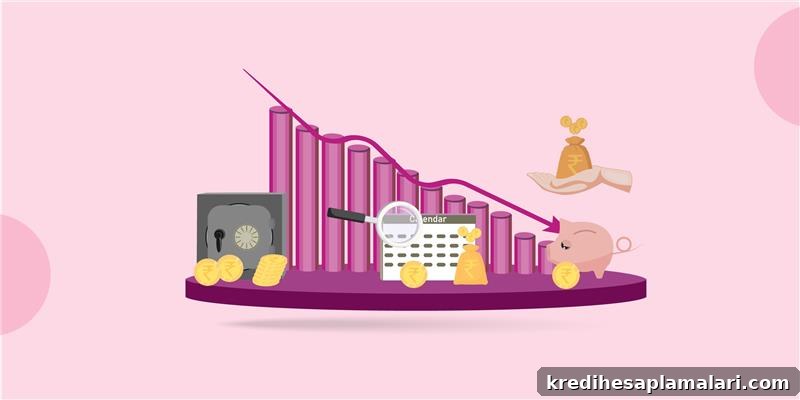
Beyond general savings like fixed deposits or liquid assets such as gold, many financially prepared women set aside a dedicated emergency fund. This separate reserve covers unexpected expenses so they don’t need to rely on high-interest credit. Having a contingency fund reduces stress and ensures readiness for emergencies without disrupting long-term plans.
- Convert jewelry holdings into efficient investments
Wearing gold and silver has cultural and personal value, but treating precious metals as part of an investment strategy can be wiser than holding only ornamented jewelry. Data from fintech studies suggest women often avoid investment losses more effectively than men, partly by taking diversified, conservative approaches. Consider balancing physical jewelry with financial instruments that track gold prices or other low-risk commodity investments, and research how much to allocate to each.
- Monitor recurring costs
Auto-pay makes life easier, but it’s important to review recurring bills periodically. Regularly reassess subscriptions, insurance policies, phone and internet plans, and streaming services to find better rates or cancel unused services. Refinancing loans when interest rates fall can also save significant money—keep an eye on market rates and loan terms to reduce interest burden.
For those who occasionally need short-term credit, choosing competitive, transparent lenders matters. Some platforms provide quick small loans with lower interest rates, which can be useful in genuine emergencies while minimizing cost.
This list is a starting point
These habits are practical entry points, but personal finances are deeply individual. Develop a long-term plan that fits your goals, risk tolerance, and lifestyle. If needed, seek professional advice to create a tailored strategy for savings, investments, and debt management. Financial empowerment grows through informed choices and consistent habits.
If you have questions about credit, loans, or managing short-term cash needs, consult trusted financial providers or advisors who can explain options clearly and help you make a suitable plan.
Consider exploring instant loan apps or financial tools that suit your needs and compare features before committing. Thoughtful use of financial products can complement the budgeting and saving habits that form the foundation of lasting financial well-being.