5 Clear Signs Your HR Department Is Working Well

The HR function is one of the most important departments in any organization. It manages the flow of talent, supports employee growth, and handles turnover—tasks that directly affect productivity and morale. When a company is progressing steadily, it often reflects a well-functioning HR team working in the best interests of both employees and leadership.
Below are five clear signs that the HR function at your organization is effective:
#1 Improved Employee Retention
Retaining skilled, motivated employees is essential for long-term success. Employee turnover measures how many people leave and must be replaced; high turnover increases costs and often hurts team morale. An effective HR function focuses on hiring the right people and providing ongoing guidance and support to reduce unnecessary exits. When retention improves, organizations typically see stronger morale, better continuity, and higher productivity—key indicators of HR effectiveness.
#2 Growth in Employee Performance
Employee performance gauges how well staff complete their responsibilities, taking into account quality, quantity, impact, and workplace behavior. HR contributes to improved performance by ensuring employees understand expectations, taking steps to boost morale, and managing fair appraisals. HR also designs performance management and training programs that raise engagement and productivity. Even indirect initiatives—such as financial wellness training—can raise satisfaction and, in turn, improve on-the-job performance.
#3 Efficient Conflict Resolution
Workplace conflict stems from differing needs, values, or priorities among colleagues. HR is typically responsible for resolving these issues, helping to preserve working relationships and minimize lost productivity. Skilled HR teams handle difficult conversations, reduce disruptions, save time and costs, and in some cases lower the risk of litigation. A consistent pattern of timely, fair conflict resolution is a reliable sign that HR is active and effective.
#4 Lower Cost-per-Hire
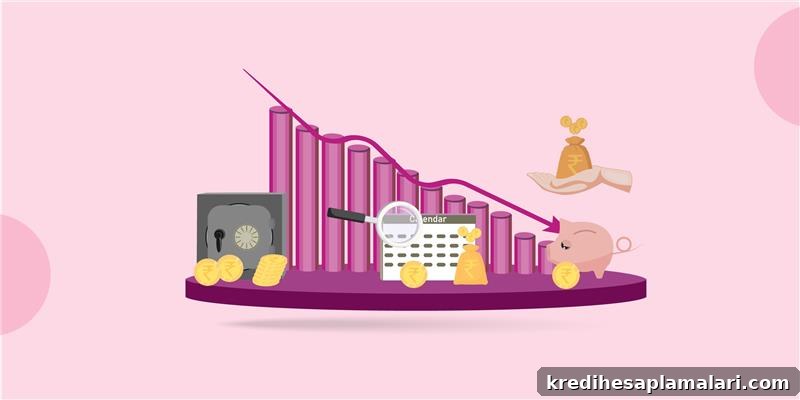
Cost-per-hire is a key recruiting metric that includes not only recruiter fees but also training, onboarding, equipment, administrative expenses, and opportunity costs. An efficient HR function streamlines recruiting processes, targets the right candidates, and optimizes onboarding so that the long-term value of hires exceeds their acquisition cost. A decline in cost-per-hire, combined with strong hire performance, signals smart HR practices and resource stewardship.
#5 Healthy Workplace Culture
While leadership sets the tone for culture, HR ensures that core values and behaviors are communicated, reinforced, and practiced across the organization. HR helps shape culture through initiatives such as regular employee feedback, training programs, recognition systems, and policies that support inclusion and well-being. A healthy culture boosts teamwork, morale, productivity, and retention while reducing stress and improving job satisfaction. Active HR involvement is often the driving force behind these positive outcomes.
In summary, mature organizations tend to have HR functions that are proactive, engaged, and aligned with business goals. When HR drives retention, performance, fair conflict resolution, efficient recruiting, and a strong culture, the entire organization benefits from higher productivity and a more sustainable workforce.