15 Common Money-Wasting Habits and How to Stop Them
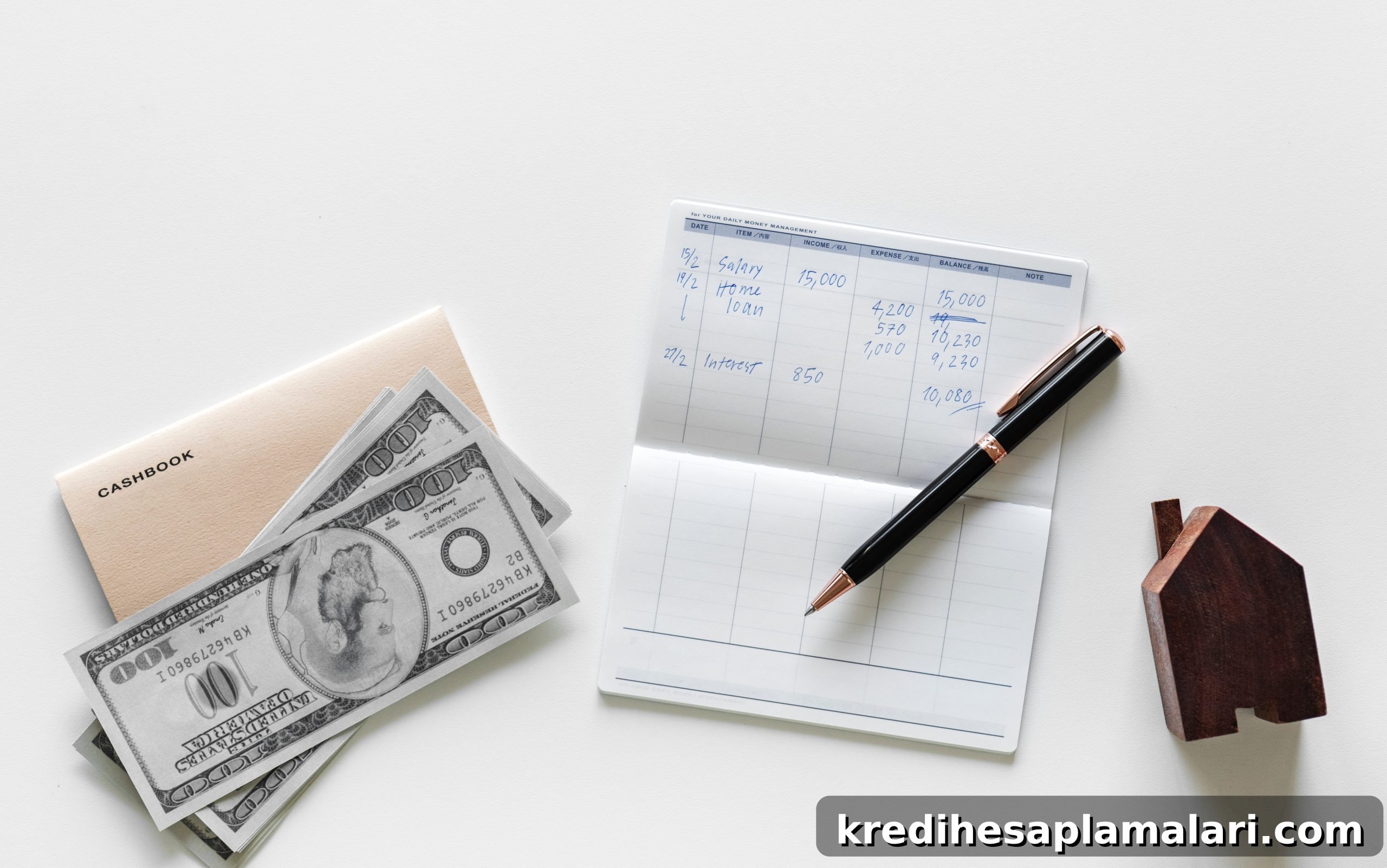
We all want to master our money instead of being controlled by habits, yet it’s easy to give in to small temptations. Individually these purchases may seem insignificant, but together they can consume a surprising portion of your hard-earned income. This article identifies 15 common ways people waste money and offers practical steps to stop those leaks. Some suggestions require cutting expenses; others are about capturing savings you may already have available.
#1 Using only one bank account for all expenditures
Managing every transaction from a single checking account makes it hard to track where money goes. Open a second account and divide funds by purpose: one account for fixed expenses such as rent and bills, and another for discretionary spending. This separation simplifies budgeting and prevents accidental overspending.
#2 Reserve management and debt control
Fear of drowning in debt between paychecks stresses many people. Reducing debt requires steady, disciplined repayment and sometimes professional guidance. Credit counseling, refinancing, or debt consolidation can lower interest costs and simplify payments. If you need short-term help, some employers or legitimate salary advance services offer low-cost advances — research options carefully and prioritize solutions with transparent fees and terms.
#3 High insurance premiums
Insurance is necessary, but paying excessively can erode your monthly income. Compare policies, consider different coverage levels, and consult a professional to ensure you’re not over-insured. Also check for tax benefits or credits you may qualify for so you don’t miss available savings.
#4 Overspending on monthly bills and late fees
Busy schedules cause missed bill payments, which lead to late fees and potential credit score damage. Set up automatic payments where appropriate, or use electronic reminders to avoid penalties. Reviewing recurring charges regularly can also reveal services you no longer use.
#5 Credit card fees
Avoid cards that charge high annual or monthly fees unless the rewards you receive clearly outweigh the cost. If a card’s benefits don’t cover its fee through cash back, travel points, or other perks, switch to a no-fee or low-fee alternative.
#6 Poor investment choices
Investing in unsuitable products can erode long-term returns. Research before committing funds, diversify to reduce risk, and take advantage of the power of compounding by investing early. If you lack the time or expertise, consult a financial advisor to select investments aligned with your goals and time horizon.
#7 Impulsive shopping
Marketing is designed to prompt impulse purchases. Plan shopping lists, carry cash when appropriate, and pause before making non-essential purchases. Delaying a decision 24–48 hours often reduces unnecessary buys and improves the quality of what you buy.
#8 Electronic luxuries and subscriptions
Gadgets, paid apps, and digital subscriptions can add up, especially when free trials auto-renew. Track subscriptions, cancel unused services, and resist upgrades that don’t offer clear value. For purchases of expensive electronics, wait and compare prices and reviews before buying.
#9 Brand obsession
Buying expensive, trendy clothing often leads to a closet full of seldom-worn items. Focus on well-made, classic pieces that last longer and deliver better cost-per-wear. Quality and fit matter more than labels.
#10 Extended warranties
Retailers frequently push extended warranties at high margins. Often repairs, replacements, or standard warranties provide adequate protection. Evaluate the likelihood and cost of failure before purchasing an extension; in many cases it’s cheaper to self-insure.
#11 Grocery shopping mistakes
Food waste is a major source of wasted money. Plan meals, shop with a list, and avoid shopping when rushed or hungry. Buying only what you need and using leftovers reduces both waste and grocery bills.
#12 Spending to earn coupons or cashback
Promotions can encourage unnecessary purchases to reach a discount threshold. Compare prices and calculate the real savings before buying. Don’t let a coupon or cashback offer justify spending on items you don’t need.
#13 Overspending on dining out
Regular takeout and dining out are convenient but expensive. Cooking at home is typically far cheaper and often healthier. Reducing the frequency of restaurant meals can free up a significant amount of money over time.
#14 Smoking and drinking costs
Smoking and excessive drinking carry steep recurring costs and long-term health expenses. Reducing or quitting these habits saves money immediately and lowers the risk of costlier health problems later.
#15 Unnecessary use of premium fuel and inefficient driving
Many drivers use premium fuel where regular fuel is sufficient. Save on fuel by choosing the correct grade, maintaining proper tire pressure, planning efficient routes, carpooling, or using more fuel-efficient transportation when possible.
In summary, stop leaks by tracking your money, comparing options, and distinguishing needs from wants. Small changes in daily habits — separating accounts, avoiding impulse buys, reviewing subscriptions, and managing debt — add up to substantial savings over time. Be deliberate with spending, and your financial position will improve steadily.