10 Proven Ways to Strengthen Employee Loyalty and Retention
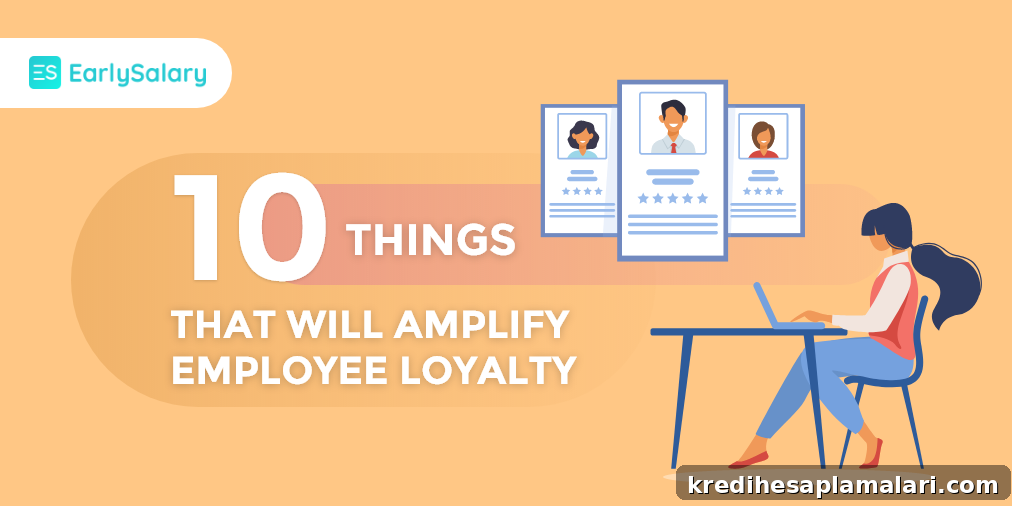
Highlight: Here are 10 simple yet effective steps you can take to strengthen employee loyalty and move your organisation forward.
Why is employee loyalty important?
A loyal, engaged workforce is one of a company’s most valuable assets. HR professionals know that hiring the right talent is only part of the equation—retaining that talent in a way that benefits both the employee and the organisation is equally critical. When employees feel committed, they are more productive and aligned with organisational goals, and turnover costs fall. These costs typically include:
- Cost of termination
- Cost of vacancy
- Cost of replacement
- Cost of productivity loss during the learning curve
Employee loyalty therefore influences both the social and financial performance of an organisation.
How to amplify employee loyalty
Given the impact loyalty has on an organisation’s success, here are 10 practical steps you can take to increase employee commitment and retention.
- Strong and effective leadership
Leadership sets the direction and tone for the entire organisation. Poor management is a common reason employees leave—many studies show a large portion of resignations are attributed to bad managers and a perceived lack of managerial training. Investing in leadership development builds trust and confidence, which in turn fosters loyalty.
- Frequent, meaningful feedback
Employees want more regular feedback than an annual review. Consistent feedback keeps people focused, helps them improve continuously, and clarifies career goals and the steps to reach them.
- Constructive criticism delivered well
How feedback is communicated matters. Constructive criticism should help employees correct course and grow. Poorly delivered criticism can damage morale and motivation, undermining loyalty.
- Open communication channels
Upward feedback from employees to management is essential. Employees who feel uncomfortable giving feedback upward are less likely to stay. An open feedback culture ensures managers hear employee concerns and ideas, which strengthens engagement and trust.
- Mentoring programmes
Mentoring connects employees with experienced colleagues or leaders, creating professional guidance and open lines of communication. Mentoring supports career growth and can deepen loyalty by showing the organisation invests in individuals’ development.
- Encourage work-life balance
Respecting employees’ personal lives is increasingly important. Flexible schedules, hybrid work options, and easier commutes can reduce burnout and improve retention. Work-life balance is a major factor in whether employees stay long term.
- Provide career growth opportunities
Employees are far more likely to remain with a company that invests in their development. Learning opportunities, clear promotion paths, and skill-building increase motivation and reduce turnover driven by career stagnation.
- Avoid micromanagement
Giving employees autonomy to complete work in their own way empowers them and increases job satisfaction. Trusting people to do their jobs reduces frustration and encourages ownership and loyalty.
- Maintain fairness and neutrality
Favoritism or bias damages team morale. Treating employees equitably, judging performance on merit, and preventing discrimination all contribute to a healthy work environment where loyalty can grow.
- Support financial well-being
Financial stress affects many employees. Programs that address financial wellness—such as salary advances, employee loan options, or financial education—can increase loyalty by showing the company cares about employees’ overall stability and well-being.
Parting thoughts
Employee loyalty is earned through consistent actions, policies and communication that prioritise employees’ needs and development. Organisations that invest in leadership, clear communication, growth opportunities and wellbeing are more likely to build a committed workforce.
Design HR initiatives that serve employees’ real needs and measure their impact. Thoughtful, practical changes—rather than one-off programs—create lasting loyalty that benefits both people and the organisation.